
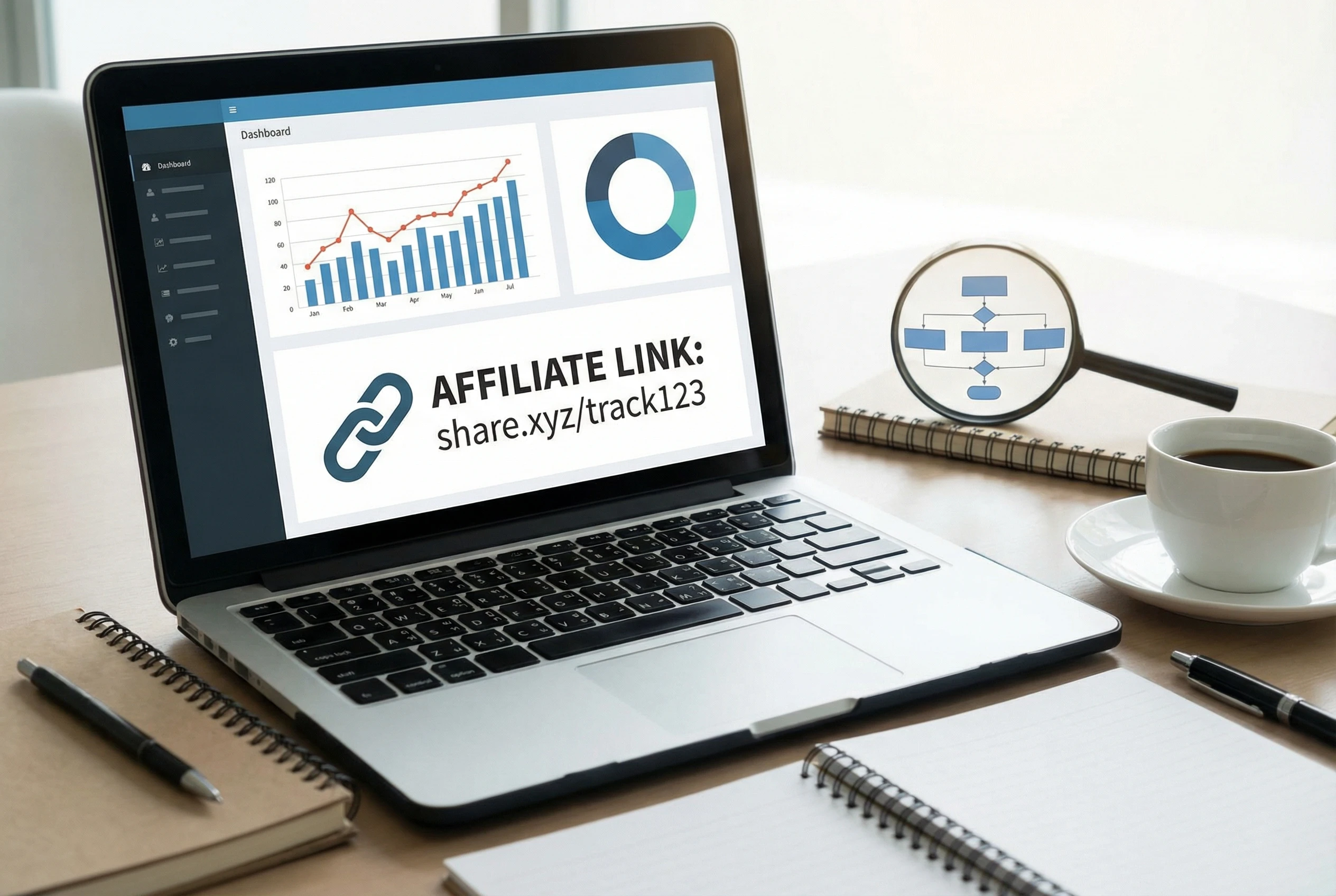
So, you’re curious about affiliate marketing and how it can add some extra cash to your pocket? Well, affiliate links are where you’ll want to start. An affiliate link is basically a special URL given to you by a company that you can share. When someone clicks on this link and completes a purchase or a specific action, you earn a commission. It’s like a digital word-of-mouth, but with a handy payback.
Affiliate marketing has become a major part of the digital economy because it’s a win-win for both companies and the marketers. Brands need a smart way to reach audiences without blowing up their budgets on ads, and you get a chance to make money promoting products or services you actually like.
An affiliate link acts as a bridge, connecting brands with marketers. Companies set up these programs through platforms like ShareASale or Amazon Associates, creating opportunities for everyone from bloggers to social media influencers to earn. All you gotta do is sign up, grab your links, and start sharing.
So why are so many people jumping into this? It’s simple—flexibility and potential. Unlike a 9-to-5, affiliate marketing lets you work on your terms, whether you’re a night owl or an early bird. Plus, as more businesses see the value in reaching niche markets, the potential for earning keeps expanding. Not a bad gig for recommending stuff you like, right?
Tracking Affiliate Links: Mastering the Metrics
Once you’ve got your affiliate links out there, the magic happens with tracking. Knowing how your links perform is the backbone of affiliate marketing success. Without tracking, you’re basically flying blind, right?
Tracking allows you to know exactly who clicked on your link and what actions they took. This kind of data is pure gold, helping you optimize your strategy. Keeping tabs on every click means tweaking what works and ditching what doesn’t.
You’ll need some tools for this, and boy, are there options. Platforms like Google Analytics, Bitly, and ClickMeter can turn your link tracking into a science. These tools offer insights about user behavior, helping you understand what your audience loves the most.
Data from tracking isn’t just numbers. It’s a way to boost effectiveness. See which type of content inspires the most clicks. Maybe a late-night tweet gets more action than your early morning update. This is the kind of info that helps build smarter strategies.
Accurate tracking doesn’t just help you work better; it ensures smooth commission payouts, too. After all, knowing exactly how many sales or leads you generated through your link lets you avoid headaches when the paycheck rolls around.
Addressing Common Concerns: Questions and Solutions
Jumping into the world of affiliate marketing might raise some questions, especially around privacy and transparency. Let’s clear the air on these topics because nothing’s more important than trust—both yours and your audience’s.
Privacy concerns are quite valid in the digital age. When it comes to affiliate links, rest assured, they’re designed to track activity anonymously, focusing solely on how many clicks and conversions you drive. If worries linger, communicating openly with your audience about your affiliate activities can foster trust.
Cookie durations play a key role in how long after a click you can earn a commission. Understanding these durations is key to managing expectations and strategizing effectively. If a cookie lasts for 30 days, a sale made anytime in that window counts towards your commission. Knowing this can help fine-tune promotional efforts.
Compliance is a mix of legal guidelines and ethical practices. The FTC requires transparency, meaning you gotta let your audience know when you’re using affiliate links. It’s not just about keeping things above board but also nurturing a loyal following by being upfront.
And then there are those burning questions like: ‘What if my audience thinks I’m just in it for the money?’ Transparency is your answer—your belief in the product should be your driving force. Authenticity goes a long way, ensuring that you’re recommending products you stand by and use yourself.