
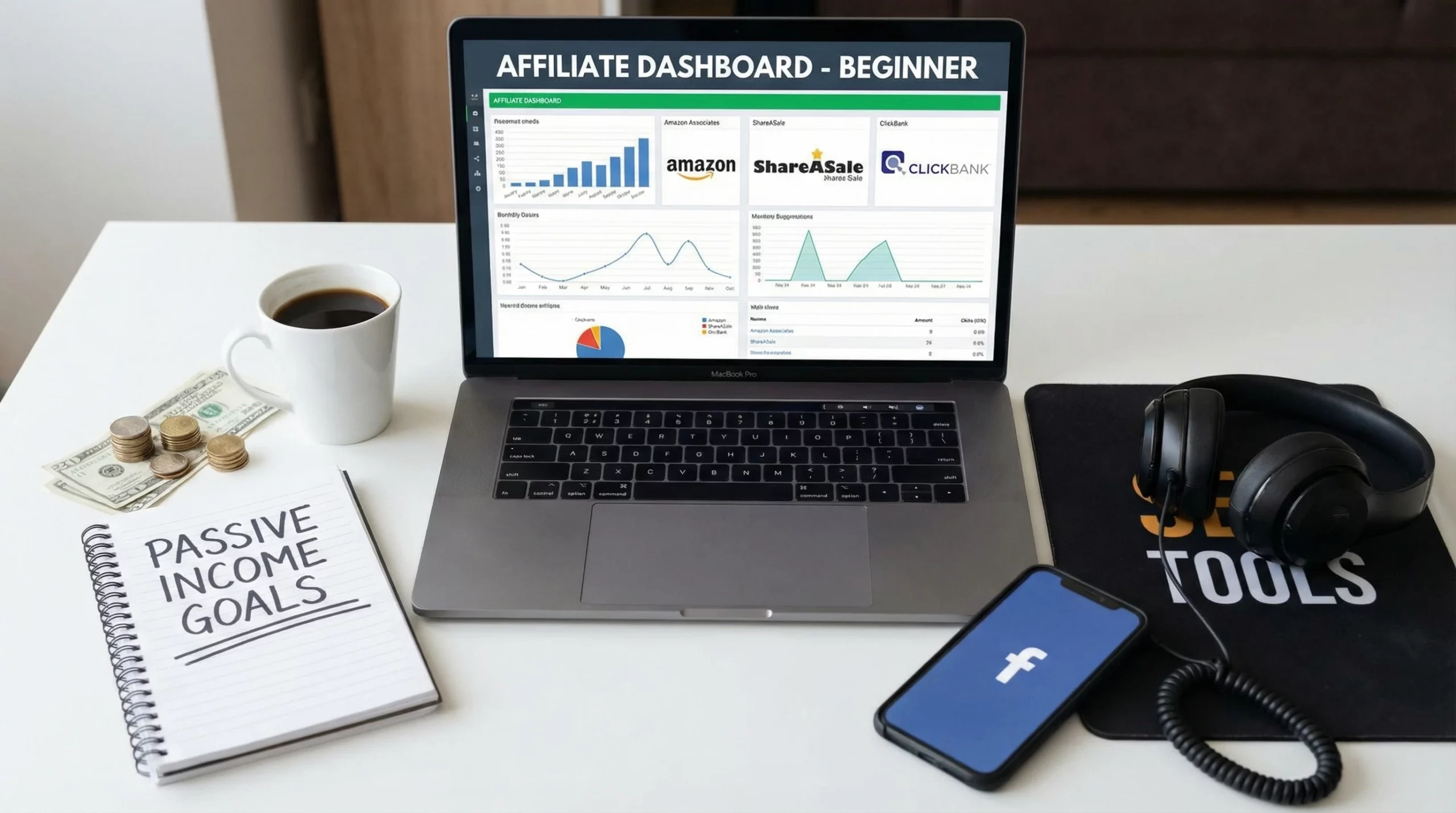
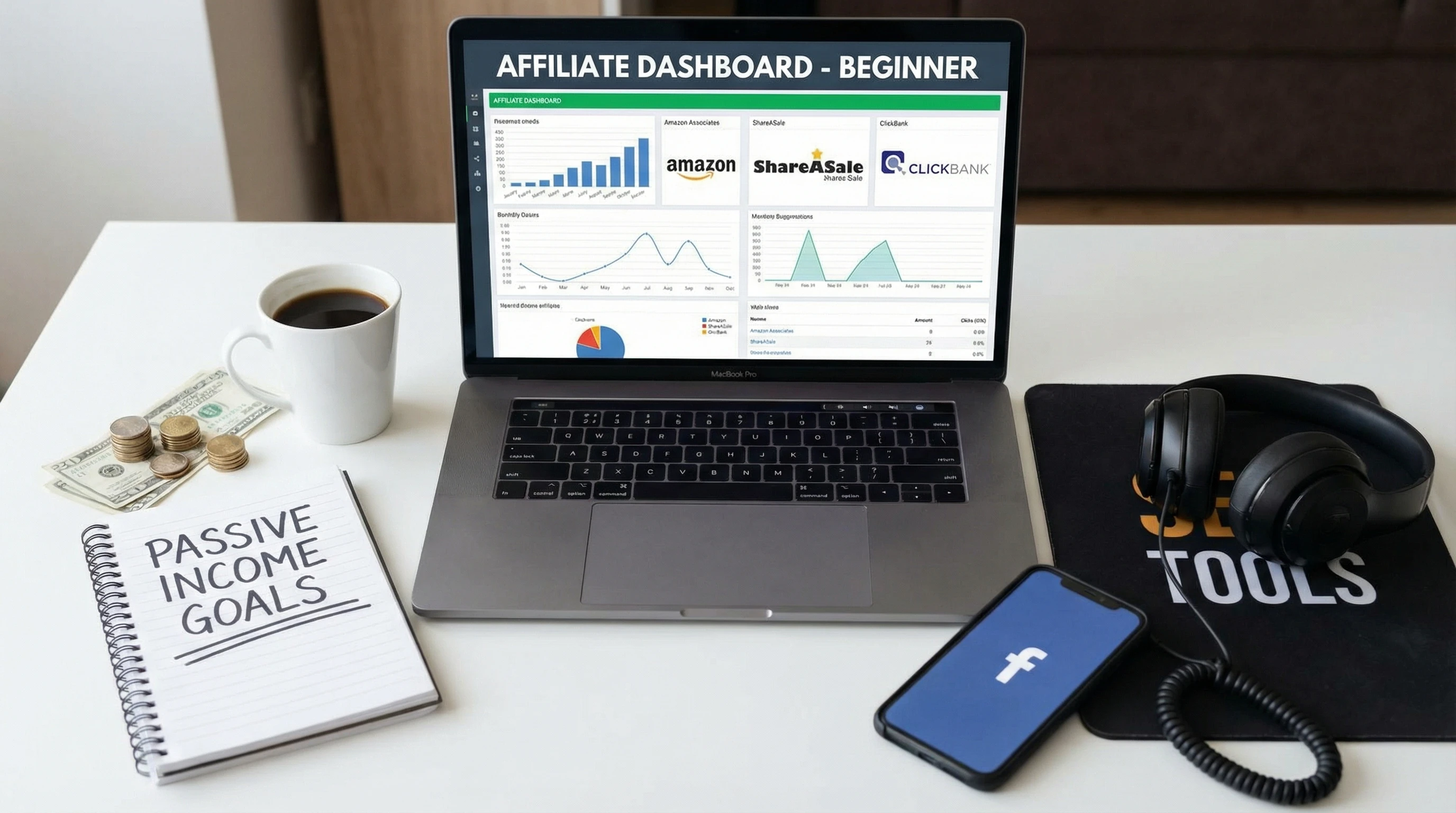
Affiliate marketing opens up some pretty interesting ways to earn money online, even if you’re brand new to the game. I remember staring at all the different programs and websites, feeling like you needed a marketing degree just to get started. But the reality is, with some focused steps and a bit of patience, anyone can start making income through affiliate marketing.
Even if you’ve never done anything like this, there’s no reason you can’t learn how to start affiliate marketing from scratch. I’ll walk you through what worked for me, what you need to know about making your first commissions, and some real advice about what to expect as a beginner.
This guide covers the basics, shares tips for picking the right affiliate programs, and answers all the usual questions about earnings and experience. By the end, you’ll have a clear plan to start affiliate marketing, even if you have zero experience.
Step 1: Understand Affiliate Marketing (And How It Works)
Affiliate marketing is basically about promoting someone else’s product and earning a commission if people buy through your special link. You don’t have to make the product, deal with shipping, or handle customer service. That’s all handled by the company. You just focus on recommending stuff you like or believe in.
How Affiliate Marketing Makes You Money
- You join an affiliate program; This is free and gives you a unique tracking link
- You share links online; On your blog, social media, YouTube, or anywhere your audience sees them
- Someone clicks your link and buys; You earn a percentage of their purchase (commission)
So, you earn by helping others find things they need and by sharing about products or services you think are worth checking out.
Step 2: Pick a Niche That Fits Your Interests
Picking a topic (or “niche”) you actually care about makes everything easier. Trust me, writing about something you don’t enjoy gets old really fast. Think about your own hobbies, knowledge, or things you’re curious about. Popular affiliate niches include tech gear, fitness and health, personal finance, travel, and home improvement, but you can find programs for just about any interest.
Questions to Help You Pick a Niche:
- What do I spend time reading, doing, or watching?
- What products or services am I always recommending to friends?
- Are people already searching online for info in this niche?
Even evergreen interests like gardening, pet care, or budgeting can lead to pretty steady affiliate income. You don’t need to be an expert, just willing to learn and share what you stumble upon.
If you’re unsure about your passion or curiosity, look up communities or forums to see what folks are buzzing about. Sometimes, a quick search can show you if an idea is worth building content around, as you’ll spot lots of questions or requests for recommendations. Getting a sense of your audience’s genuine needs will inspire helpful content and guide what affiliate programs you should join.
Step 3: Choose the Best Affiliate Programs for Beginners
Not all affiliate programs are the same. Some are easy to join, even if your audience is small, while others want you to have an established website or following first. I started with the easiest ones, and it helped me stick with it long enough to earn my very first commissions.
Beginner Friendly Affiliate Programs:
- Amazon Associates; Huge range of products, trusted brand, low payout threshold, but smaller commissions
- ShareASale & CJ Affiliate; Lots of brands and niches; you can apply to programs individually
- PartnerStack & Impact; Popular for digital tools and subscriptions; easy to browse and join
- Individual Company Programs; Many companies (like Bluehost, Canva, Shopify, and others) run their own programs on their websites
Most places will ask for a website or how you plan to promote their products, but you don’t need a huge audience to start. They just want to see you’re legitimate and not spamming links everywhere.
As you get more comfortable, you may want to mix in some niche-specific programs. These often offer higher commissions and let you stand out from the crowd of affiliates pushing more general products. Always check reviews and payment terms before signing up.
Step 4: Set Up Your Online Presence
You don’t need a fancy website right away, but it helps to have one place where people can find your recommendations. Here’s what’s worked for me and for lots of other beginners:
- Simple website or blog; WordPress, Wix, or even free options like Blogger are fine to get started
- YouTube channel; Product reviews and tutorials work super well with affiliate links in your video descriptions
- Social media accounts; Instagram, TikTok, Pinterest, or Facebook are all popular for sharing links (but always follow the platform’s rules)
Start small. For instance, one friend of mine launched a onepage review blog. Another built an Instagram dedicated to a hobby with stories featuring affiliate links. Both started making money with almost no prior experience, just consistency and some enthusiasm for what they shared.
Don’t forget that building trust is key. People are much more likely to click your links if they get a sense of your genuine intent and know you’re sharing honest advice, not just pushing for a sale.
Step 5: Create Genuine Content and Share Your Experience
Your content is what will get people interested in your recommendations. Instead of just slapping links everywhere, aim to be super helpful. Here are some ideas:
- Write honest product reviews; Share what you like and don’t like, and use your affiliate links inside the review
- Howto guides and tutorials; Show how a product works or solves a real problem
- Bestof lists; Compare several products in your niche (“Best Budget Fitness Trackers” or “Top BudgetFriendly Pet Toys”)
I always include personal stories or experiences, even if it’s just how trying a product made a difference in my routine. People trust you more when you’re real, and trust is super important for affiliate marketing.
Mix in some variety by writing both short and longform guides—the more you help your audience, the more likely someone will click your links. Don’t be afraid to answer common questions or address doubts people have about products, as this shows you’re paying attention to what your readers care about.
Step 6: Drive Traffic to Your Affiliate Links
No traffic means no sales. You don’t need paid ads to get started, either. Free ways to grow your audience and clicks include:
- SEO (Search Engine Optimization): Write blog posts or YouTube video descriptions using keywords people actually search for
- Share in social groups; If allowed, drop your guides or reviews in Facebook groups, forums, or Reddit threads about your niche
- Pin on Pinterest; Visual content and guides work really well there
Focus on one traffic source first, get comfortable, then branch out. I started with just a blog, added Pinterest later, and then sprinkled links on my Twitter.
If you want to take it up a notch later on, try email marketing. You can set up a simple mailing list using Mailchimp or ConvertKit and start sending helpful product roundups or exclusive deals to your subscribers. Building a list creates a direct line to people who want your recommendations—and it pays off longterm.
Step 7: How Much Can a Beginner Affiliate Make?
The big question: how much can you actually earn as a total beginner? Starting out, most affiliates see a slow buildup. Think dropdown grocery change at first. If you keep creating honest, helpful content and testing out different strategies, it’s totally possible to hit $100 a month and then scale up from there.
For a goal like $100 per day, you’ll need more content, more traffic, and probably a mix of high and low commission products. Some people hit that amount in a month or two, while others take a year or more. It all depends on your niche, effort, and the programs you join. There’s no hard limit. Some affiliate marketers eventually pull in thousands, but remember that consistency is what gets you results.
It’s important to track your progress so you know which links or articles pull in the most sales. Platforms like Google Analytics or affiliate dashboards usually show you which of your posts are getting clicks and which programs are driving commissions. Use this feedback to make adjustments and double down on what’s working.
Common Questions About Affiliate Marketing for Beginners
How do I actually start affiliate marketing with no experience?
Start by picking a topic you already like, join a free or easy affiliate program, and create something helpful (like a review, guide, or post) with your unique links inside. Traffic will be low at first, but you learn as you go. My first commissions came from just a handful of posts and social shares.
Can I do affiliate marketing with zero experience?
Yes, affiliate marketing is full of people who had no skills when they began. You’ll figure it out by reading guides like this, watching free tutorials, and experimenting. Try stuff out, learn from mistakes, and adapt your plan. There’s no requirement to be an expert; learning by doing is the fastest way to get results.
How do people earn $100 per day with affiliate marketing?
- Choose products with good commissions
- Create lots of helpful, honest content
- Build traffic steadily (through SEO, social media, or videos)
- Grow an email list to promote consistently
It’s definitely possible but takes consistency. Some days you’ll earn more, others less, but that daily average can sneak up on you as your traffic builds. Keeping an eye out for trending products and adapting your content can help boost earnings.
How much can beginner affiliates realistically make?
Most beginners make from a few dollars a month to a few hundred in their first few months. Big incomes are possible, but think longterm and keep your expectations realistic. Small wins stack up, and every commission is proof you’re learning the ropes. As you build more content and grow your audience, the potential increases.
Your Action Plan for Starting Affiliate Marketing
- Pick a niche that fits your interests (and feels fun to explore)
- Sign up for beginner friendly affiliate programs
- Create your first honest review or tutorial online
- Share your content and keep learning from what works
If you’ve been on the fence about affiliate marketing, this could be just the excuse you need to give it a try. Every affiliate started with zero experience, myself included. Stick with it, experiment, and watch your results build over time. Remember, affiliate marketing rewards those who are consistent and willing to learn along the way. Stay patient, keep sharing what you stumble upon, and your efforts will start to pay off.