
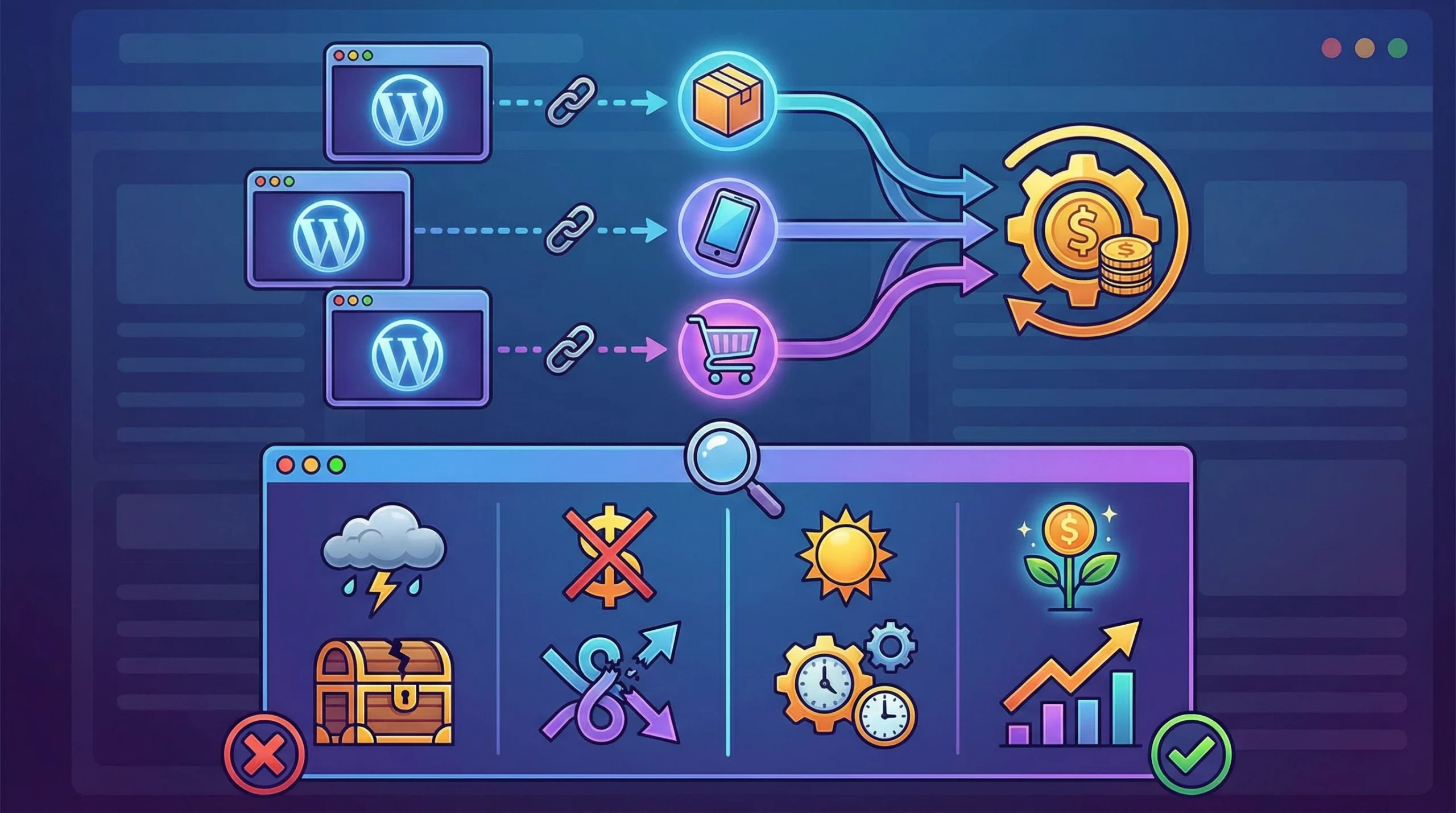
Affiliate marketing gets tossed around as a way to make easy cash online, but there’s a ton of hype to sift through. Plenty of people jump in only to face roadblocks or get discouraged by common myths. Clearing up what’s real and what’s not can help you build a smarter, steadier affiliate business.
Debunking the Big Affiliate Marketing Myths
Affiliate marketing isn’t new, but it’s easy to get sidetracked by the claims you see floating around. Some myths make things sound too simple, while others make it feel like a closed club for insiders. Here’s a straightforward look at the most common affiliate marketing myths, plus what’s actually true and how to set up your affiliate business for long-term success.
Myth: It’s Passive Income & Easy Money
Many people love the idea of affiliate marketing as “set it and forget it” income. The reality is getting affiliate sales takes ongoing effort. Sure, some older posts might keep earning, but there’s plenty of behind-the-scenes work: updating your content, building traffic, checking links, and staying up to speed on what your audience wants.
If you’re just hoping for a quick payout, affiliate marketing will feel frustrating. Those who see success usually treat it as a real business. They put time into testing strategies, picking up new skills, and giving their business regular attention. It can be very rewarding, but it’s not “push button and wait for payday” easy. Patience, persistence, and a willingness to learn count for a lot more than overnight tricks.
Myth: You Need a Massive Audience
Bigger audiences open up more opportunities, but you don’t need millions of followers to get started. Even a small or medium email list or blog readership can bring in affiliate commissions. What matters most is trust and targeting—offering helpful, relevant content to people who care about your niche.
Super loyal, engaged readers who trust your recommendations often convert much better than a random crowd. It’s more about building the right community than chasing numbers. Focus on quality connections, and the results can really surprise you. Try connecting with your audience through comments, email responses, or social messages. Even smaller communities can create a steady income if your advice feels real and genuine.
Myth: It’s a Get-Rich-Quick Scheme
There’s lots of hype about making huge money fast with affiliate marketing. While it’s possible to earn well over time, overnight riches just aren’t the norm. Successful affiliate marketers usually spend months, sometimes longer, building solid content, trying out new offers, connecting with their audience, and continually learning.
If you’re in it only for a quick buck, disappointment comes fast. Instead, think of it like planting seeds: results grow as you nurture your brand and add valuable content. Real income builds over time, not all at once. Most success stories in this field come from people who stick it out, adapt as things change, and keep honing their strategy as their audience and experience grow.
Myth: You Don’t Need Marketing Skills
Just dropping a few links rarely works. Even beginners benefit from a basic understanding of SEO, email marketing, audience targeting, and good copywriting. If you’re not learning these, it’s like bringing a butter knife to a sword fight.
The good news: You can start small and build skills over time. Tons of resources—like Wealthy Affiliate’s training tools—make learning practical marketing a whole lot easier. Being curious and willing to experiment goes a long way. Try reading up on marketing basics or following trusted experts who explain things simply. The more you learn, the more you can game plan effectively for your chosen niche.
Myth: You Can Promote Anything
Not every product fits every audience, and some affiliate programs have strict rules. Promoting things you don’t believe in, or that just aren’t a match, often hurts your credibility and pushes readers away.
Pick programs that match your niche and really help your audience. Staying authentic makes it easier to keep up with your promotions, and your audience will give you a boost with their trust and engagement. Review what your followers comment on, ask about, or regularly share—for a perfect match, choose affiliate products aligned with those interests.
Myth: Anyone Can Join Any Program Easily
While there are plenty of “open to all” affiliate programs, the better-paying or more exclusive ones often check your website, content quality, and even your audience reach before giving you the green light. Some programs have minimum traffic requirements, while others want niche relevance.
No need to panic if you get rejected at first. Tons of options are out there, and it’s common to get more approvals as your site grows. Start with userfriendly programs, build your experience, then move up to higher-tier networks later. As you prove your site and track record, you’ll notice that approvals and better commission opportunities become easier to stumble upon.
Myth: It’s Only for Bloggers
Bloggers set the stage for affiliate marketing, but things have changed a lot. Today, affiliate links work on YouTube, podcasts, social platforms, newsletters, and even TikTok. As long as you’re upfront about your partnerships and focusing on giving value, you can mix affiliate links into nearly any platform your audience trusts.
Switching up your channels helps you connect with different people. Don’t feel boxed in. Test a few platforms and see what fits your style and message. For instance, video reviews, newsletter recommendations, or podcast shoutouts all work alongside written content. It’s all about serving your audience where they hang out most.
Myth: It’s Too Late to Start (Oversaturated)
The claim that affiliate marketing is “too crowded” has floated around for years, but fresh niches pop up all the time. New technologies, shifting trends, and changing consumer habits keep creating new open doors. If your focus is on delivering honest value, there’s always room for a new voice.
There are millions of products out there waiting for new points of view. Audiences look for modern takes, recent comparisons, and relatable stories. The trick is choosing a unique topic or narrowing your niche focus so you’re not lost in a sea of similar sites. Research your competition to spot gaps and build something that stands out—even a slim angle or special twist can attract loyal readers.
The 80/20 Rule in Affiliate Marketing
The 80/20 rule (otherwise known as the Pareto Principle) is super handy for affiliate marketers. Usually, 80% of your income comes from just 20% of your content, products, or traffic sources. It’s a reminder to notice what’s bringing in results, then put more of your time and effort into those winning strategies instead of spreading yourself too thin.
Check your analytics regularly to spot top-performing posts, platforms, or products. This way, you can double down where it counts and trim away what’s falling flat. As you grow, keep a simple spreadsheet or notes tracking your best earners to make smarter decisions without guesswork.
Frauds and Scams in Affiliate Marketing
Affiliate marketing itself is totally legit, but a few scams pop up that newcomers should watch out for. Sometimes bogus programs charge high fees to “become an affiliate” or get started—real, trustworthy programs don’t do this. Be cautious with platforms that promise wild earnings for zero effort, or those asking for upfront payments with no solid training, support, or proof of real products.
Another concern is click fraud, where fake clicks or leads inflate stats. Sticking with reliable networks like Amazon Associates or ShareASale helps you avoid most of these traps. Always give programs a once-over by reading reviews and checking discussion boards before signing up, so you protect your time and money.
Can You Make $100 a Day with Affiliate Marketing?
Getting to $100 a day is definitely within reach, but it rarely happens right off the bat. How soon you reach it depends on your niche, the effort you put in, and your ability to bring in traffic. Realistically, it takes consistency—publishing quality content, nurturing your audience, and testing offers until you find what clicks best with your readers.
Many successful marketers eventually cross the $100/day line, but it usually comes months after the foundational work has been laid. Most of the people posting those big daily numbers built up over time, with lots of behind-the-scenes hours that nobody sees.
Is Affiliate Marketing Pyramid Selling?
Pyramid schemes are schemes centered around recruiting others and collecting money with no real products or services at their core. Affiliate marketing is different. It pays you for promoting tangible products or services and earning only when someone else buys or signs up. If an affiliate program only makes money when you recruit others, without actual sales or products, steer clear.
How Wealthy Affiliate Helps Break Through These Myths
Wealthy Affiliate is an all-in-one training and community space that’s focused on helping you dodge common mistakes. Its hands-on lessons break down everything from SEO and niche selection to content building and audience growth, all with plain-talk advice. There’s no “overnight riches” talk, just proven approaches and actionable steps you can take no matter your starting point.
If you’re new or feeling stuck, the community lets you check in, get feedback, and compare experiences. Wealthy Affiliate gives you access to tools like real hosting, keyword research, and affiliate programs—minus shady fees or wild promises. The platform’s transparency and get-involved spirit help beginners make solid progress and sidestep hype.
Frequently Asked Questions
What is the 80/20 rule in affiliate marketing?
The 80/20 rule says that a small slice of your work (about 20%) usually delivers most of your results (roughly 80%). In affiliate marketing, it means most income comes from just a handful of posts or products. Tracking your earnings pattern helps you focus and double down on what works best.
What are the frauds in affiliate marketing?
Common scams include programs demanding high upfront fees, phony training courses, or generating fake leads. To stay safe, stick with established platforms, skip anything that asks for money without clear value, and always check recent reviews or discussions before joining.
Can you make $100 a day with affiliate marketing?
Yes, plenty do—but getting there takes steady work, content updates, and building an audience. Think in months rather than days, and remember that real results come with patience and a real plan.
Is affiliate marketing pyramid selling?
No, affiliate marketing is legit—it pays you for selling real products, not for recruiting others. Pyramid schemes are about sign-up fees and recruitment without genuine value.
If you’re set on skipping the myths and want guidance from a group that’s all about real results, Wealthy Affiliate is worth checking out. Honest answers and the right support can make all the difference as you build your affiliate adventure.