
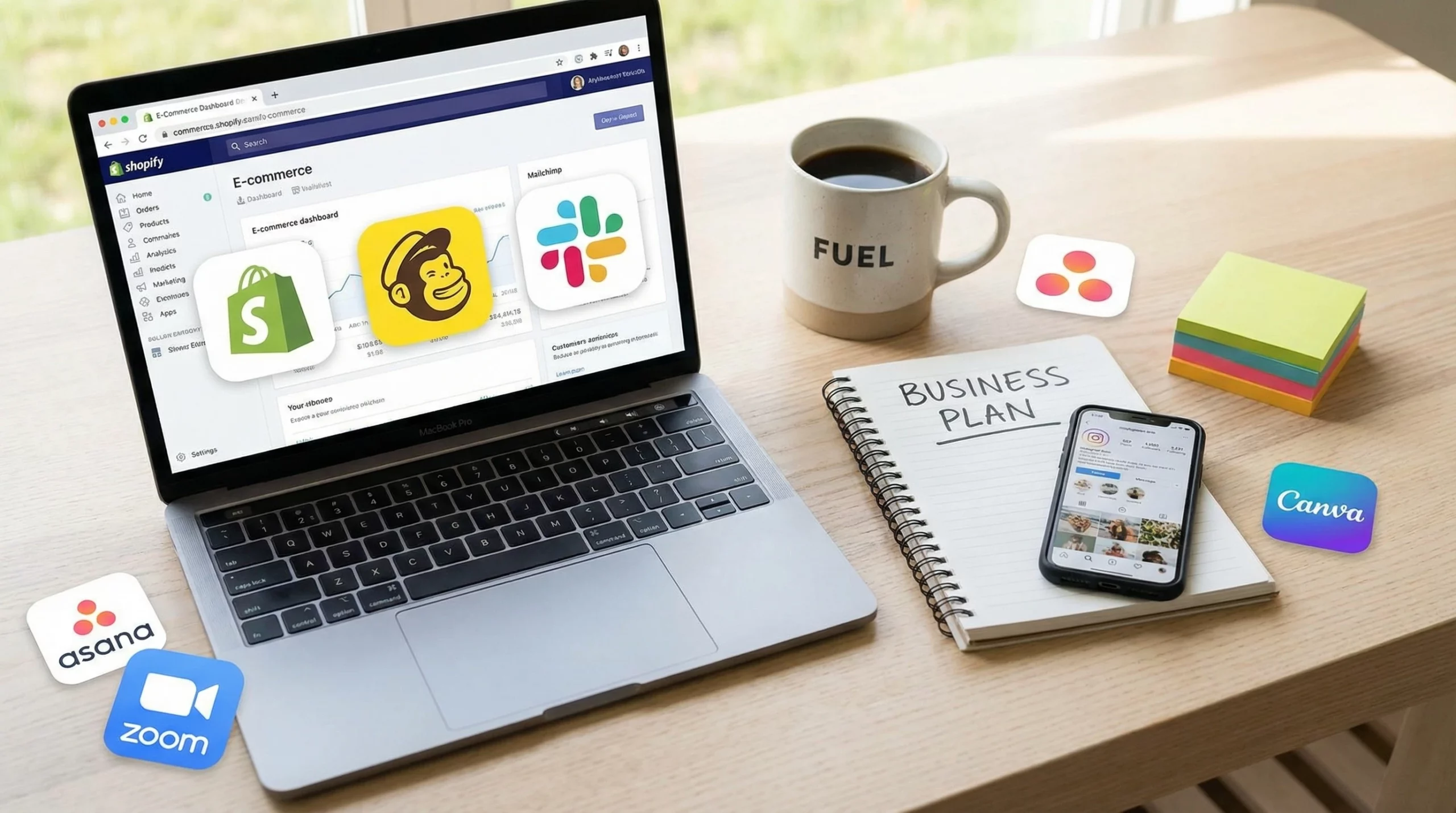
If you found yourself wondering how people actually build real online businesses that earn income year after year (without chasing every shiny side hustle), I’ve got you. Building an online business is doable for anyone with the right steps, the right attitude, and a little grit. I’ve been through this process more than once myself, sometimes fumbling into the right choices, other times learning from a mess I made. Either way, everything I’ll share here comes from my actual experience, not just theory from a textbook.
If you just want the basics, a summary you can put on a sticky note or print off for your vision board, here’s how I break down the process of building a real online business step by step. Then I’ll dig into each part with lots more detail (and some tips that would have saved me so much hassle early on).
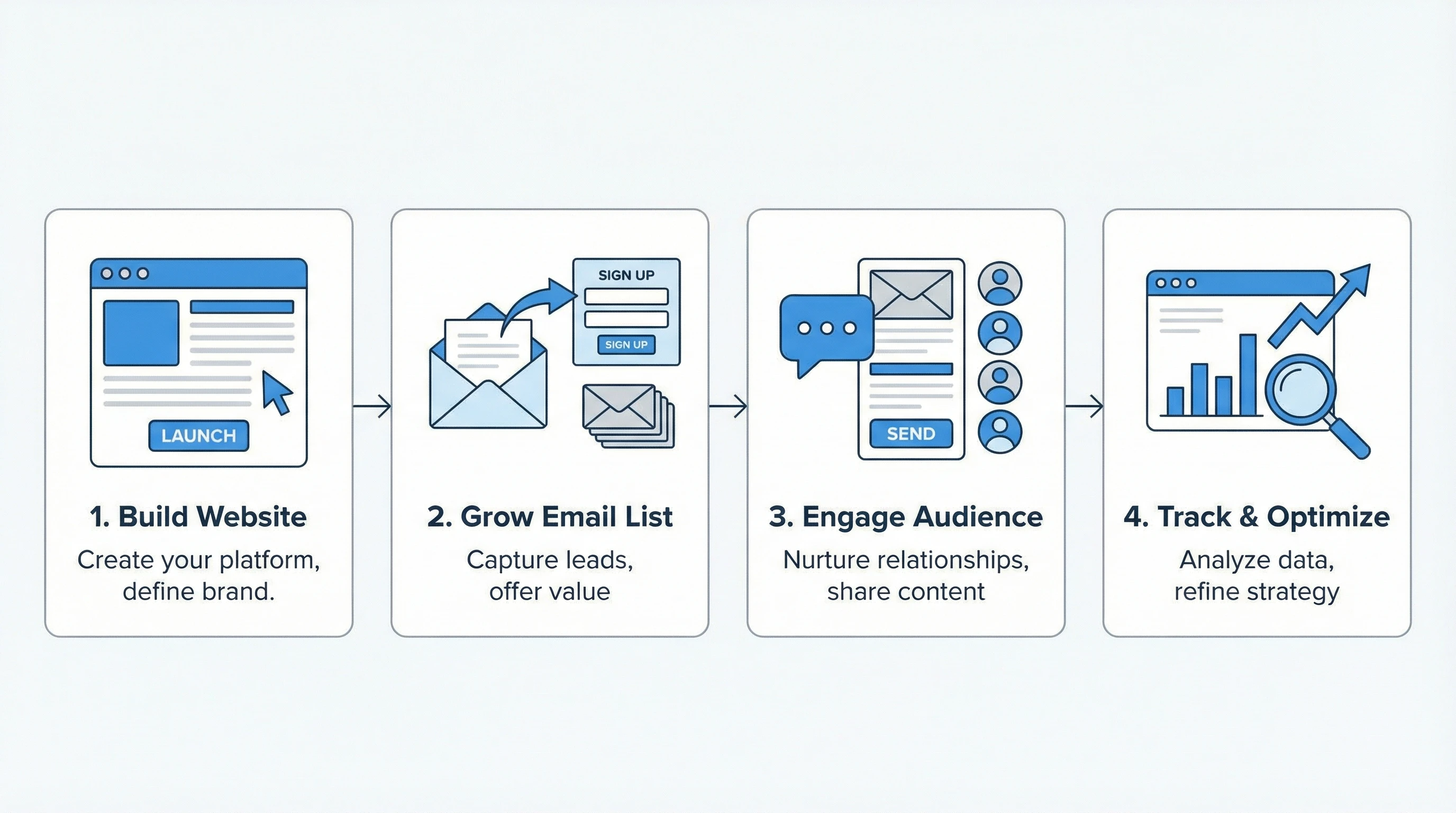
Online Business Model: Pick Your Path
Starter Investment (Typical): $0 – $2,000+ (depends on tools, training, and products)
Main Tools Needed: Website builder, domain, email service, product/research tools, marketing channels
Time to Profit: 3-12 months (on average for foundational, lasting businesses)
Other Things That Help: Community for support, expert training, patience, willingness to test ideas
Free Training Resources: YES. Tons available across YouTube, course platforms, and community blogs. Some tools even have starter tiers for free.
Building a sustainable business online takes a whole mix of things, know-how, action, feedback, and some patience (seriously, patience is underrated). What makes the big difference is treating this like a real business, not a hobby or short-term experiment. You don’t need to be a coding wizard or someone with a huge email list; showing up consistently, making smart choices, and learning as you go can get you where you want to be.
You’ll find all kinds of tools, courses, and shortcuts promising instant results. What works best is a clear path, one you stick to long enough for it to actually work. That’s what this guide aims to give you.
My Experience: How I Learned to Build Online Businesses (the Long Way First)
I’m not someone who just looked at online business from the outside; I’ve been deep in the trenches, juggling side hustles that fizzled out, launching little websites that didn’t get traction, then finally figuring out what works. The biggest “aha” moment for me happened when I stopped jumping from idea to idea and committed to a clear process, focusing on genuine value, real products, and ongoing learning.
Early on, I tried copying big-name entrepreneurs, chasing after random trends, and even taking advice from sketchy “gurus” on YouTube. Turns out, none of that is a shortcut. What actually moved the needle for me? Sticking to one proven method, making it my own, and putting in the effort to learn my market, get feedback, and improve what I offered.
If you’re tired of spinning your wheels, or just starting with hopes of making something real online, this guide is meant for you. I’ll give you the exact steps I follow (and why each step matters), plus the stuff nobody tells you when you’re overwhelmed by choices.
Business Models: Choosing Your Online Business Type
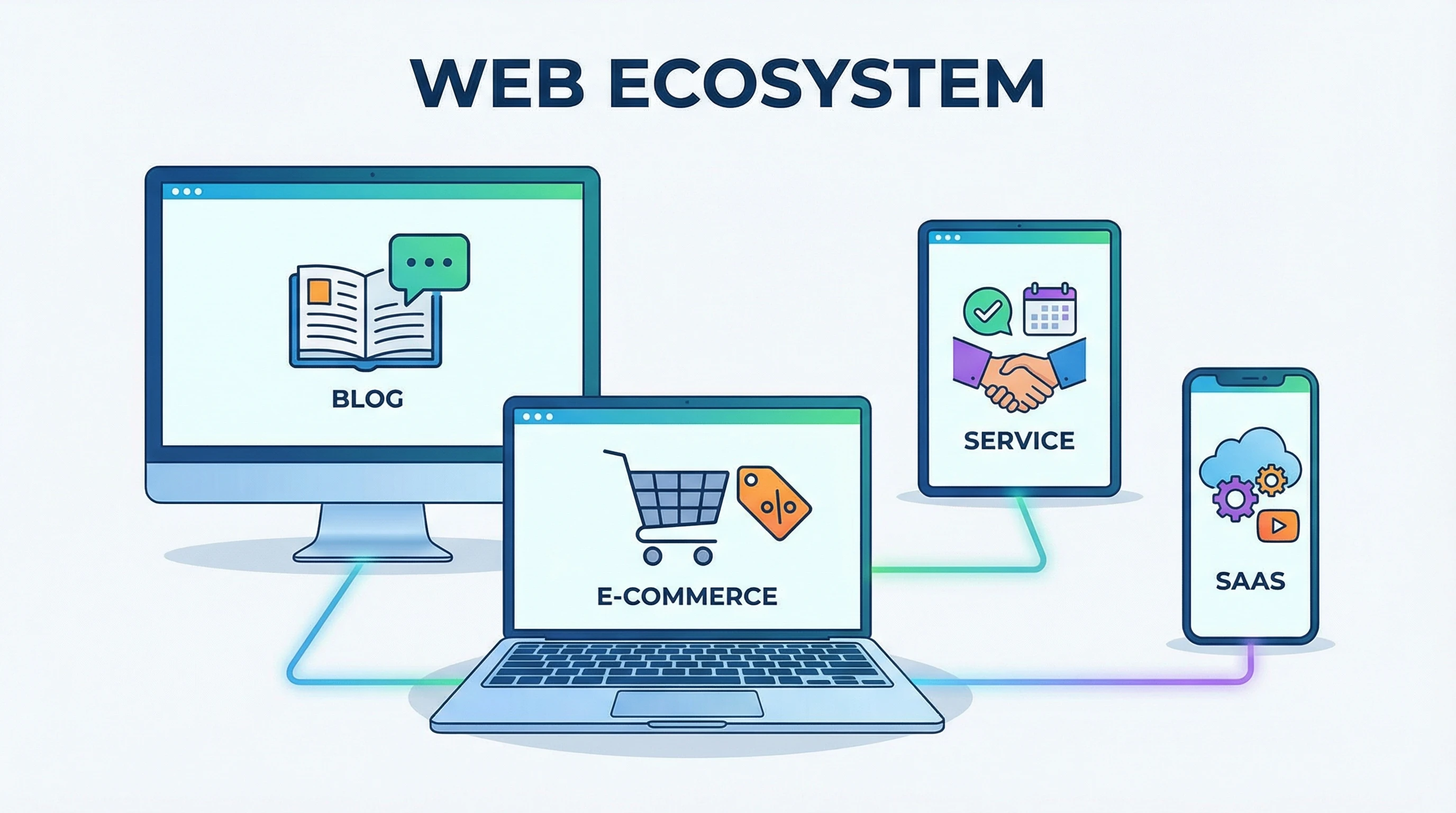
Before you even start looking at logos or website designs, you need to decide what kind of business you want to build. I’ve tested my fair share and seen what works, and what’s a huge time sink. Here are the top models to choose from, with my two cents on each:
- Content Sites (Blogs or Niche Websites): Earn from ads, affiliate marketing, digital offers, or even memberships. Pretty flexible and scalable.
- Ecommerce Stores: Sell physical products, either your own (handmade, print on demand) or dropship from suppliers. More logistics, but huge income potential if you find your sweet spot.
- Servicebased Sites: Offer services like consulting, coaching, web design, or freelance writing. Great for folks who like working with clients or already have skills to offer.
- Online Courses/Memberships: Teach what you know through digital courses, coaching programs, or a membership community. Huge growth right now, but best if you’re comfortable sharing knowledge.
- Software as a Service (SaaS): Build an app or tool that solves a problem. Bigger learning curve and investment, but crazy scalable if you find a great niche.
The model you pick shapes everything: your brand, your tech stack, your marketing game, and your day to day. I recommend starting with the one that fits your strengths or interests best, even if it’s not the flashiest.
For anyone truly starting from scratch, blogs or content sites paired with affiliate offers are the easiest entry point. If you already have a craft, hobby, or specific knowledge, course sites or product shops can work well. When in doubt, start simple.
Step 1: Research Your Audience and Niche
Every successful online business begins with serving a real audience. If you skip this step, you’ll wind up creating things nobody wants (ask me how I know). My biggest wins always came when I poured time into research before launching anything.
I rely on a simple step by step:
- Find communities: Check Facebook groups, Reddit, big forums, Quora, and YouTube channels. Who’s hanging out, what are they struggling with, what do they buy?
- Spy on competitors: Look at sites that rank well in your space on Google, see what they sell, and how they market themselves. Tools like Ahrefs or SEMrush (even the free versions) let you peek at what’s working for them.
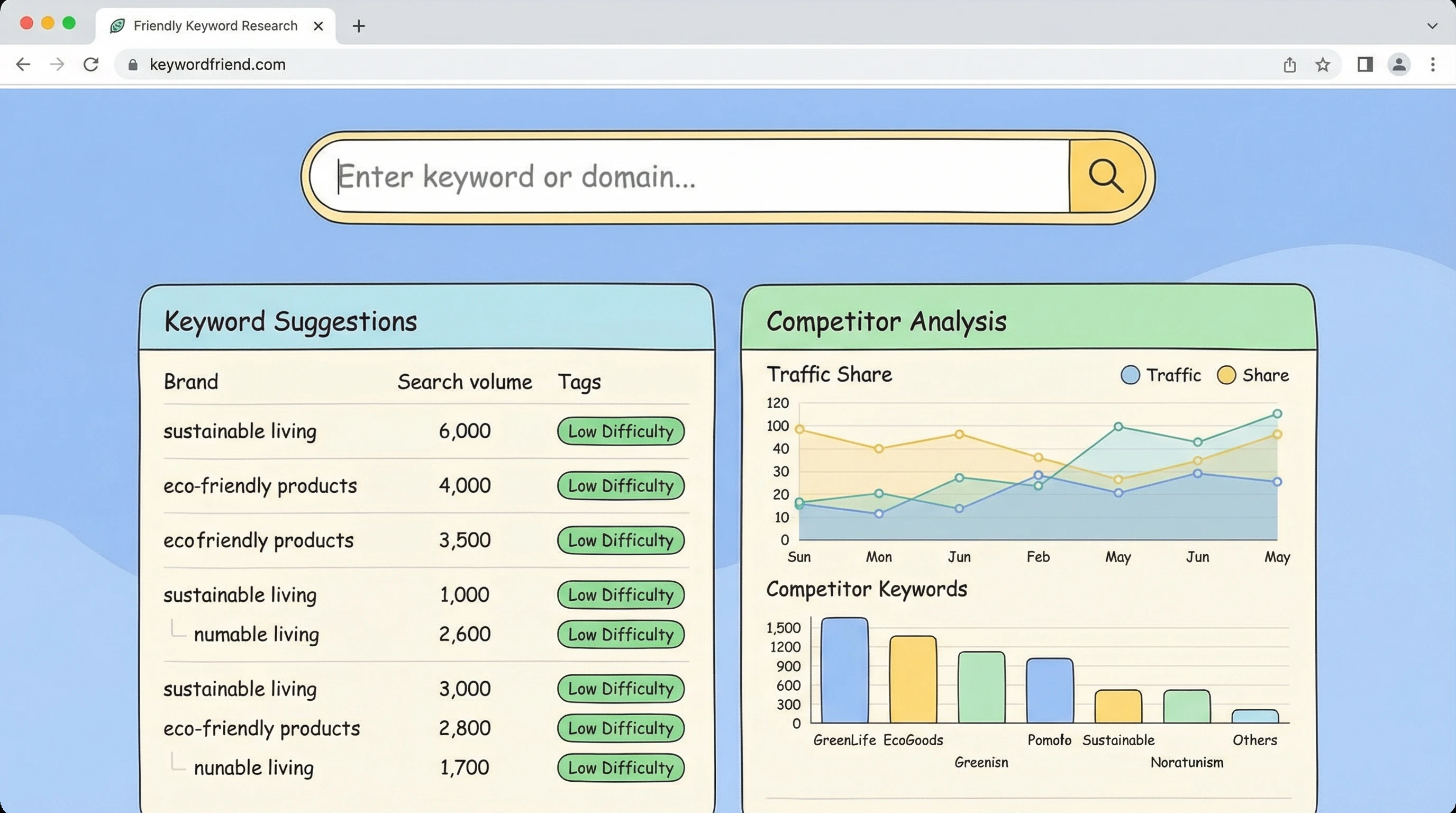
- Keyword research: Use Google’s autocomplete and keyword tools. Aim for search phrases with good traffic but less intense competition. Ubersuggest and AnswerThePublic are both handy if you want free options. This makes sure you can actually get noticed online.
Some good signs you’ve picked a winner: The niche has an active online audience, people pay for solutions (not just free advice), and there are products or services you could eventually offer or promote.
Pro tip: If you’re genuinely interested or already know a bit about the space, that helps a ton. You don’t need to be the world’s biggest expert, but being curious about your market will make your research so much easier, and more authentic for your future audience.
Step 2: Validate Your Business Idea
Even the most promising idea can flop if nobody actually wants it. Before you invest time or money going all in, make sure people care enough to click, sign up, or open their wallets. Here’s how I test and validate:
- Pitch your idea: Post a simple survey or question on forums, Facebook groups, Reddit, or Twitter. “Would you find [X] helpful?” or “What’s your biggest struggle with [Y]?” You’ll know quickly if people care.
- Check presale demand: Offer a waitlist, freebie, or beta signup on a basic landing page using tools like Carrd or MailerLite. Some folks even presell a product before building it.
- Analyze competitors: If others are selling something similar and have happy customers, take that as a good sign. It means the market is proven (not saturated, competition is healthy for validation!).
No need for a fancy site, just enough to see if real signups, shares, or preorders happen. If things flop, it’s not a loss. Use what you learn and either tweak your offer or pick a slightly different angle. Testing early saves so much frustration.
Step 3: Choose Your Online Business Platform
Your business needs a home base. For most, this means a website or online store. Your options vary based on what you want to build:
- Blog/Content Site: WordPress (selfhosted), Wix, Squarespace, or Ghost. WordPress is the biggest for flexibility and SEO but has a slightly steeper learning curve at first.
- Ecommerce: Shopify (super beginnerfriendly), WooCommerce (WordPress plugin, more flexible), BigCommerce, or Ecwid. Shopify is the most popular for newbies, can’t go wrong.
- Courses/Memberships: Teachable, Kajabi, Podia, or Thinkific. I’ve tested most, and they all work. Teachable or Podia are good if you want something easy.
- Services/Freelancer: Squarespace, WordPress, or Webflow. Include booking/contact forms and professional copy. Calendly or Acuity can help with appointment bookings.
If budget is tight, you can start with a website builder’s free version or a WordPress.com site, but investing $50–$150 a year for your own domain and hosting is honestly worth it for credibility and branding.
No need to overthink design. Choose a clean template, launch, and refine as you go. Consistency and clear messaging are way more important than fancy graphics early on.
Step 4: Build Your First Website (The Foundation Step by Step)
If tech stresses you out, don’t worry, it’s easier than ever to get a website live, even if you’re not “techy.” Here’s the basic path I recommend (I messed this up so many times early on and these steps just work):
- Register your domain: Use Namecheap, Google Domains, or GoDaddy. Try to find something short, brandable, and easy to spell. Check social handles to match if possible.
- Get hosting: SiteGround and Bluehost are both beginnerfriendly for WordPress. Shopify or Squarespace include hosting automatically. Look for a hosting service with good support—you’ll be glad when you have questions late at night.
- Install your platform: If you pick WordPress, most hosts have a oneclick install. Choose a starter theme (Astra, OceanWP, or Storefront are solid choices, lots are free).
- Create basic pages: Home, About, Contact, Services or Shop. For blogs, add a Blog page. Don’t wait for perfect content—just get your first version up and improve over time.
- Set up security and privacy: Add SSL (most hosts include this free), create a privacy policy and cookie notice (templates available online), and install basic plugins like Akismet (for spam) and an SEO plugin like Rank Math or Yoast.
Your goal is a live site that can start attracting visitors, collecting emails, and building trust, even if you start with just a handful of visitors a day!
Step 5: Develop a Brand People Trust
An online business isn’t just a website, it’s a brand—a FEELING people get when they see your logo, your style, or read your content. Your brand lets you stand out in a crowded market. The best part? You don’t need a big budget to look professional.
Here’s how I keep branding simple but impactful:
- Name and logo: Stick to something memorable and easy to pronounce. I use Canva’s logo maker for simple designs. Namechk helps check name availability across platforms.
- Voice and personality: Decide how you communicate: friendly, expert, casual, cheeky, etc. Write like you’d talk to a real person. Authenticity is way more powerful than generic professionalism.
- Visual style: Pick two or three main colors, a couple of fonts, and few icons/images that match your vibe. Canva and Coolors.co are super handy for this.
- Credibility signals: Display testimonials, reviews, or “featured on” badges early if possible, even if they’re just beta testers or from your first happy customers. Case studies help too.
Great branding helps you build loyalty and lets word of mouth do the work for you. Over time, this will give you a big advantage over “faceless” competitors.
Step 6: Create Content That Attracts and Converts
High quality content is the engine that powers most real online businesses, attracting traffic, building authority, and driving sales. As someone who once thought I could “just buy ads,” I now see why consistent, useful content is so important for lasting success.
Here’s my content creation recipe:
- Start with pillar content: Write (or record) 5–10 foundational guides or reviews for your niche. These should answer top questions, solve real pain points, or explain the basics. Longer, detailed, and well formatted content does best in Google.
- Mix in regular posts/updates: Add weekly blog posts, news, or video updates. Share wins, lessons, product reviews, or tips. That keeps your site fresh and builds trust with visitors and search engines.
- Use SEO best practices: Naturally include keywords, add internal and external links, and write for humans first (robots second). Tools like Surfer SEO or NeuronWriter help, but free advice from Moz and Backlinko is enough for starters.
- Capture emails: Offer a bonus, checklist, or newsletter signup in each article. Your email list will become your biggest longterm asset.
I find it easiest to outline topics based on what people search for and what questions keep coming up in groups and forums. Google’s “People also ask” section is gold for ideas. Use tools like Google Analytics and Hotjar to see what’s working (and tweak what isn’t).
Step 7: Build Your Email List (Still Super Important)
Email marketing isn’t dead—in fact, it’s more important than ever. Social algorithms change, SEO can take months, but your email list is traffic and income you own. I’ve seen dozens of pivots in online marketing, and my email list stays my topperforming asset.
Setup is pretty easy now:
- Email software: MailerLite, ConvertKit, and Brevo (formerly Sendinblue) are beginnerfriendly and have free plans. Pick one and connect it to your site.
- Lead magnet: Offer a free checklist, guide, video, quiz, or mincourse that solves a quick problem for your audience. Canva templates make PDF lead magnets super simple.
- Signup forms: Popups convert well, but always include an incontent signup too. Add them to your homepage, blog posts, and at checkout if you run a store.
- Automated welcome series: Set up an autoresponder sharing your story, delivering value, and pitching your core offer. This builds trust right away.
Consistent weekly emails—news, quick wins, or deep dives—keep your audience engaged and your brand top of mind. I mainly aim for “how can I help” in my emails, not just nonstop pitching. People stick around longer that way.
Step 8: Choose & Launch Your Revenue Streams
No serious online business relies on just one source of income (learned that one the hard way). The good news is you can mix and match based on your audience:
- Affiliate marketing: Recommend products you trust and earn a commission. Amazon Associates, ShareASale, and Impact are good starting points. Just be sure to disclose links for transparency.
- Online courses/ebooks: Turn your knowledge into step by step guides, workshops, or masterclasses. Gumroad/PDF ebooks are the fastest to try, while Teachable or Podia are good for video courses.
- Memberships: Offer exclusive communities, content, or direct coaching for a monthly fee. Circle or Patreon work for this.
- Physical/digital products: Create or dropship items, even branded merch or print on demand. Printful, Printify, or Etsy make it possible to start without big investments.
- Services: Consulting, coaching, freelance, or doneforyou content. Tailor exactly to what your audience really wants.
- Ads: Use Google Adsense, Mediavine, or Ezoic if your blog has solid traffic. Ad revenue tends to scale after your content has been ranking for a bit.
Choose two or three main revenue streams to start—see which feels best for you and brings results. As things grow, you can add new streams (I wish I’d started with fewer, it’s easier to master a couple than to chase too many at once!).
Step 9: Attract Visitors With Traffic Strategies That Work
Your site needs visitors to become a real business. Early on, my instinct was to try everything, but what really works is picking two or three focused traffic strategies and working them relentlessly. Here’s what I always come back to:
- Organic search (SEO): Create keywordtargeted articles, optimize site structure, and get listed in directories. SEO is slow but powerful, it builds a longlasting traffic engine.
- Social media: Pick one or two platforms where your audience hangs out (Pinterest for crafts/DIY, Instagram for fashion/food, LinkedIn for B2B). Share content, build relationships, and link back to your main site.
- Collaborations: Partner with other bloggers, do guest posts, interviews, or collaborations. This exposes you to new audiences fast.
- Email marketing: Send regular valuable updates and offers to your list.
- PPC/ads: Once you have your offers dialed in, you can experiment with Google Ads, Facebook Ads, or Pinterest Ads. I only recommend paying for ads once your organic channels are working and your offers convert.
Turn your first 100 visitors into raving fans by being super responsive, delivering real value, and asking what else you can help with. Word of mouth and referrals still work really well online if you focus on helping, not just selling.
Step 10: Customer Support, Community & Feedback Loops
Online business isn’t all about automation; real relationships matter. Some of my biggest breakthrough moments came from chatting directly with early customers or community members. Here’s how you can tap into that connection:
- Email support: Make it easy for people to reach you, and answer personally, even if you plan to automate later.
- Community group: A private Facebook group, Discord server, or forum for your customers/members builds loyalty and brings gold for market research.
- Surveys and feedback: Google Forms or Typeform make it simple to gather reviews and suggestions. Early on, ask open questions—”How can I make this more useful for you?”
- Iterate and improve: Use what you learn to create new content, offers, or improve your user experience. Businesses that listen are the ones that grow faster and last longer.
I’ve seen so many people give up because they didn’t feel like they were making progress. Often, it turns out they just weren’t asking for feedback or building connections. Don’t build in a vacuum, your audience will tell you what they want next if you create ways for them to do that easily.
Tools & Resources for Building Your Online Business (My Favorites)
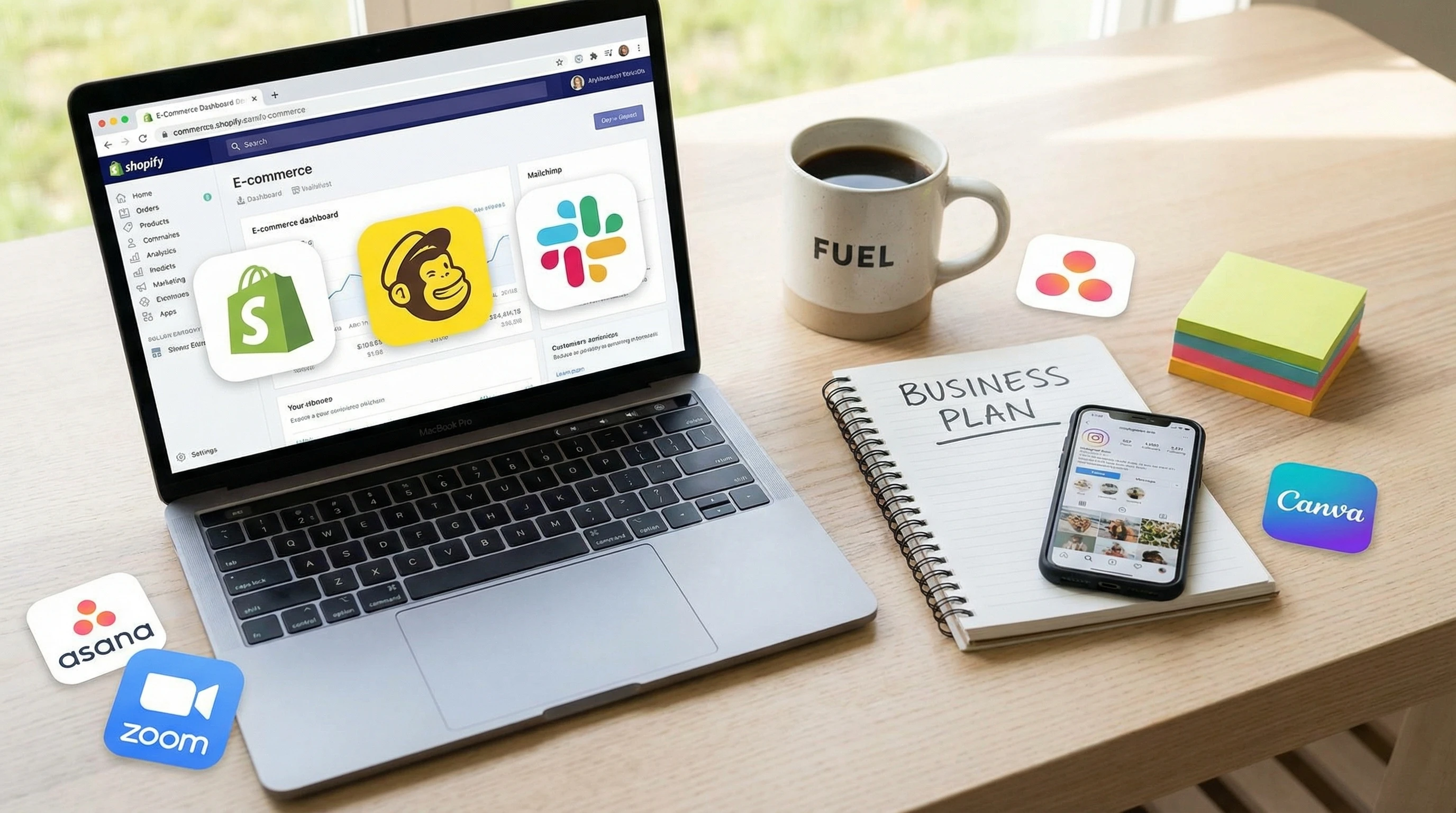
You’re going to come across a million apps and platforms, many with wild monthly fees. Here are the tools I rely on and trust, almost all offer starter versions free or cheap, and they won’t slow you down with a steep learning curve:
- Website & Ecommerce: WordPress (with Elementor), Shopify, Squarespace, Wix, Webflow
- Analytics: Google Analytics, Microsoft Clarity, Hotjar, Fathom Analytics (privacyfocused paid option)
- Email: MailerLite, ConvertKit, Brevo (Sendinblue), Mailchimp
- SEO/Content: Ubersuggest, Google Search Console, Moz, SEMrush, Surfer SEO
- Design: Canva, Figma, Coolors.co, Unsplash (free stock photos)
- Social scheduling: Buffer, Later, Planoly
- Project management: Trello, Notion, ClickUp, Google Workspace
- Payments: Stripe, Paypal, Gumroad, Paddle
- Online course/membership: Podia, Teachable, Thinkific, Circle
Don’t let options overwhelm you—pick a few and stick with them until you’re ready to upgrade or automate. The simpler the stack, the less tech stress you’ll have day to day.
Examples: What Real Online Businesses Look Like
If you’re more of a “show me” person, here are a few examples I like to point to when helping friends and clients get their first site up and running. They’re varied, but they all have one thing in common: a clear audience, a focused value offer, and a professional home base.
- Niche Blog Example: A website focused on indoor plant care, earning income via display ads, affiliate sales of grow lights, and a digital guidebook. (Site: Smart Garden Guide).
- Ecommerce Example: Custom enamel pins shop built on Shopify, attracting customers via Instagram and Pinterest.
- Service Example: Solo web developer site with a blog, portfolio, and booking form, using Squarespace for a polished look.
- Online Course Example: Yoga instructor offering monthly video memberships and downloadable meal plans using Podia.
- SaaS Example: Small team runs a timetracking tool for freelancers, using Webflow for marketing and Stripe for payments.

FAQ: Building a Real Business Online
Q: How much does it cost to really start?
A: You can get started with $100–$200 (domain, basic hosting, maybe a logo). Most major tools offer a free tier, so starting small is totally fine. Build as you go instead of dropping a huge chunk up front.
Q: How long until you make money?
A: For most, a real, predictable income takes 6–12 months, sometimes less, sometimes more. Profit comes faster if you have marketable skills or a tiny but responsive audience to start with. Remember: this is building a business, not winning the lottery.
Q: Do you need to know how to code?
A: No. I started with basic drag and drop builders and learned just enough code (HTML/CSS) to tweak things. If I can figure it out, most people can.
Q: Can you still make money with affiliate marketing/content sites?
A: Yes, if you pick the right niche, create useful original content regularly, and genuinely help your readers. Affiliate sites work with focused expertise—don’t just throw up templated articles.
Q: How do you choose what to focus on with so many options?
A: I pick the thing I’m most interested in (and can imagine myself working on a year from now), then validate the idea. Filter based on audience demand, not just personal whims. When in doubt, ask the community or your peers what they would pay for.
Upgrading and Scaling Your Business (Once You’ve Got Traction)
Once you’re making consistent sales, traffic, or bookings, it’s time to look at what’s next. Scaling comes in a few forms:
- Systems and automation: Delegate tasks, use more automation tools, and focus on highimpact work over busywork.
- Expand offerings: Add new products, services, or branches that complement what your audience already wants. Survey your customers to find new ideas they’ll buy.
- Broaden your traffic sources: Add paid ads, partnerships, or new social channels once your core sources are humming.
- Build a team: Start with contractors if needed, virtual assistants, writers, designers, or grow to parttime or fulltime as income allows.
- Systematize customer experience: Solid onboarding, FAQ docs, and member areas improve lifetime value and retention.
You don’t need to rush it. I gradually added new streams as my skills and resources grew. Revisiting your business goals every 3–6 months helps keep growth on track, and stops you from burning out.
Why Community and Ongoing Learning Matter So Much
This might sound cheesy, but having other business owners to talk shop with (even online) has kept me sane during the tough months. The online business world is full of ups and downs, algorithms change, tools break, unexpected customer feedback pops up. A solid network can help you get unstuck fast and learn new skills without starting from scratch every time.
Places worth checking out:
- Facebook Groups for your platform or niche
- Indie Hackers and MakerPad for entrepreneurship and SaaS pros
- Reddit communities for honest feedback and support (r/Entrepreneur, r/smallbusiness)
- Your platform’s official support/community boards
Bonus: Networking with others is a great way to land your first collaborations, guest posts, and even new partnership deals. Skipping this was one of my early regrets!
Membership Levels & Bonus Resources for Builders
I get asked all the time about whether it’s smart to jump into paid communities, tool upgrades, or premium trainings. Here’s my basic advice:
- Start free or cheap: Test drive as much as possible before you pay. Free Facebook groups, starter tool plans, and trial courses give you a feel for what moves the needle.
- Upgrade only for real needs: If you’re hitting limits on your email list, need advanced design tools, or want premium coaching, then it’s worth paying. Don’t upgrade because of FOMO.
- Top paid resources worth considering (after earning): Niche specific communities, premium SEO tools, mastermind groups, and expert consulting/coaching. These tend to have the best ROI once you’re making money.
Most of my key growth breakthroughs came from a free community or a reasonably priced course. Invest when you spot an obvious bottleneck in your growth, never because a guru tells you to “buy now.”
My Thoughts on Building Online Businesses in 2024 (and Beyond)
Online business gets more competitive every year, but the opportunities also keep expanding. What worked fast ten years ago might take longer these days, but the fundamentals haven’t changed, solve real problems, understand your market, publish valuable content, and nurture real human relationships along the way.
Most people quit before reaching their first real breakthrough. Progress feels slow, especially in the first six months, but then things tend to click all at once. If you follow these steps, put in steady work, and keep learning, you’ll get farther than 99% of folks chasing shortcuts or fake “overnight” success.
Your big advantage? You’re building something real. Take pride in that. Every skill you learn, every win, and every problem you solve adds up, not just to income, but to a life where you control your work and your future.
Got questions about a step or tool? Drop a comment below or reach out, I answer everything myself, and I’m always happy to help someone else avoid my early mistakes. Here’s to building something that lasts. See you online!