
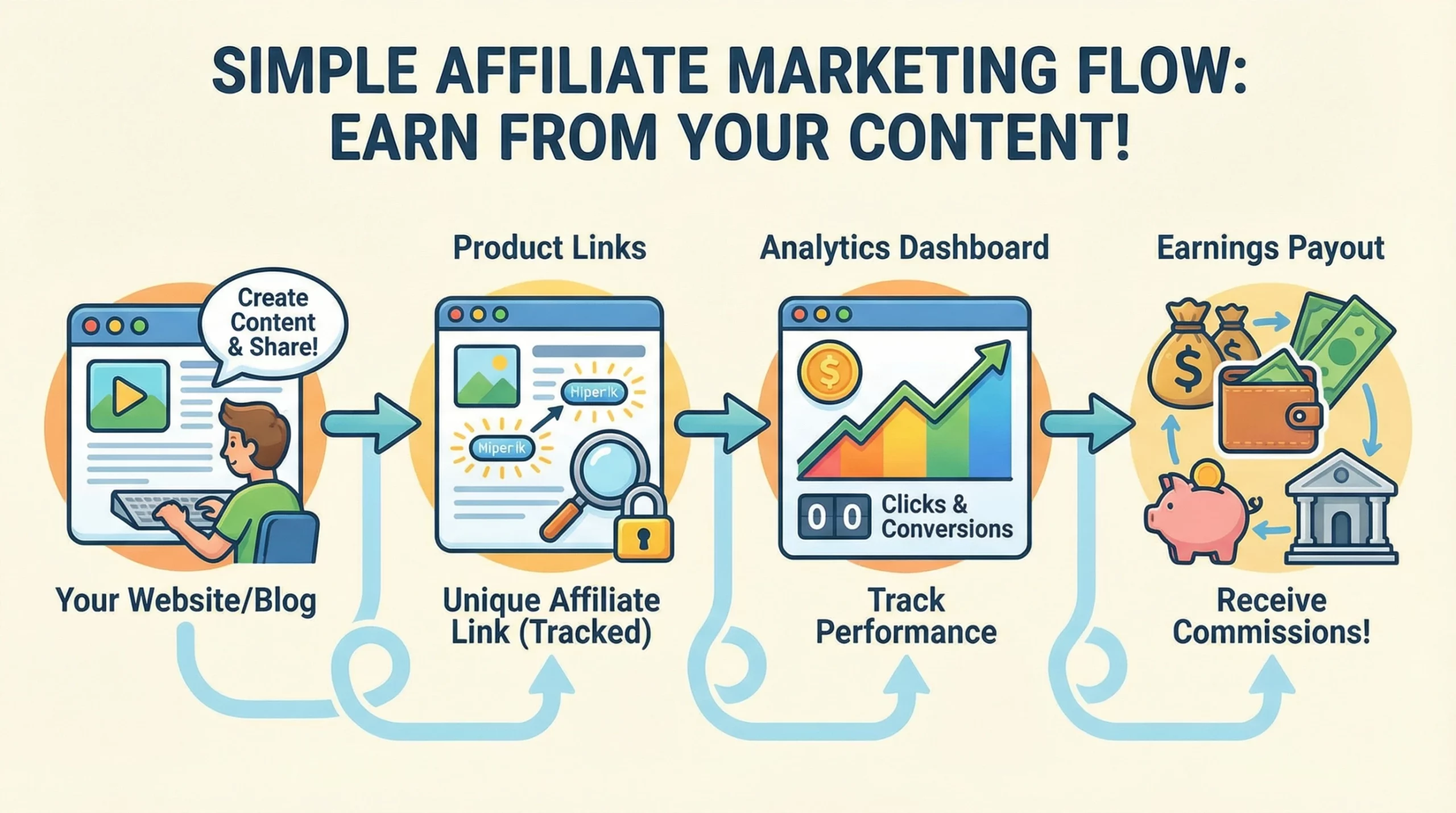
Starting out in affiliate marketing can feel overwhelming, especially with so many courses, networks, and niche options to sift through. I remember my early days trying to figure out which products actually made sense to promote and how to get people to even trust my recommendations. So, I put together this straightforward guide packed with lessons from my own experience and the latest trends for 2025 to help you get rolling.
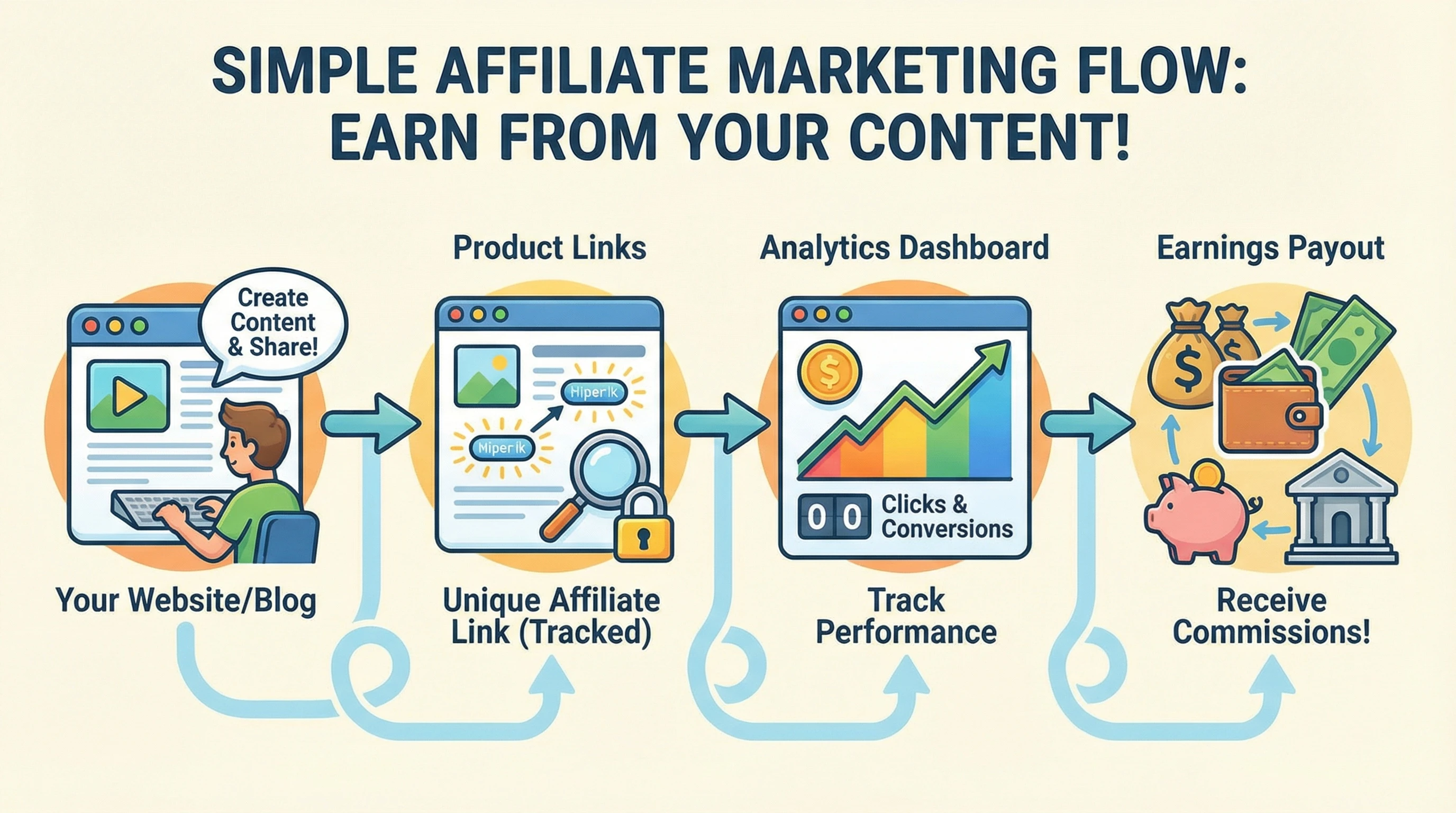
How Affiliate Marketing Works in 2025
Affiliate marketing in 2025 isn’t a totally different game than it was a few years back, but the details definitely keep changing. Basically, you recommend products or services online using a special tracking link. Whenever someone clicks on your link and buys something, you earn a cut of that sale—that’s your commission. You don’t have to create your own product, manage any inventory, or deal with shipping headaches. It’s a system many have started using as a way to build passive income streams while focusing on topics they’re interested in.
Most folks begin with a blog, YouTube channel, or social media accounts. Others jump straight into content networks or build email lists. As platforms like TikTok keep growing, there’s a lot more opportunity on video and shortform content than ever before. Podcasting is also getting in on the action thanks to unique affiliate sponsorships tailored for audio audiences.
Affiliate networks themselves are continually evolving, offering a broader range of products across global markets. Now, even microinfluencers can find partners who fit their niche, whether they’re posting about food, tech, fashion, or personal finance. This means it’s easier than ever to get started, but also more important to carve out a niche that fits your unique point of view.
Choosing Your Affiliate Niche: What Works in 2025?
Picking a niche might be the trickiest part for beginners. I spent way too long in research mode, trying to find the “perfect” category. Here’s the thing: there’s no single “best” niche, but there are definitely niches that are more attractive for new affiliate marketers this year.
In 2025, areas seeing solid demand and growing commissions include:
- Personal finance & investing (crypto education, budgeting apps, savings tools)
- Health & wellness (mental health apps, fitness gear, supplements—always double-check product guidelines)
- Home improvement & smart tech (smart home devices and green or eco upgrades)
- Online learning & AI tools (courses, software subscriptions, productivity platforms)
- Pet care & niche hobbies (specialized pet products, hobby equipment, craft kits)
Worth noting: search for a niche that matches your interests or experience. Writing about something you actually like is so much easier and feels natural. Also, aim for “evergreen” categories with consistent demand throughout the year, not just holiday spikes. Try to mix in some variety within your main topic to keep your audience engaged and appeal to different needs. For example, in health and wellness, you could cover both physical and mental health products or services.
Ultimately, your niche should do two things: solve real problems for your audience and offer enough good affiliate programs with solid payouts. It helps to read forums or community groups to see what real people are discussing or searching for right now. You might stumble upon new trends and underserved markets by participating in niche-specific Facebook groups or Reddit communities.
Setting Up Your Affiliate Marketing Platform
You don’t have to know code or build fancy websites to get started. My own first site was honestly pretty basic. Here are the most common starter options for beginners in 2025:
- WordPress or Website Builders: Tools like WordPress, Wix, or Squarespace are userfriendly and have tons of templates.
- YouTube or TikTok Channels: Video is growing fast. Product reviews and “how-to” guides can be surprisingly effective.
- Email newsletters: Building email lists lets you recommend new products directly to subscribers (with their permission).
Whatever you pick, just make sure you’re adding value, solving problems, reviewing products honestly, or sharing helpful howto tips. That’s what keeps people coming back, and clicking on your links. Blogs are great because you own your platform; if social media algorithms mix it up, your site is still your home base. For video, invest in a good microphone and lighting—clear visuals and audio help you stand out.
If you prefer to stay behind the scenes, you can create written guides or curate resource pages—just make sure every page is genuinely helpful and not a thin sales pitch. And always optimize your platform for mobile devices, since many users will be browsing from their phones or tablets.
The Three Marketing Questions Every Beginner Should Know
Before you start churning out content, keep these three questions in mind. They really help guide your whole strategy:
- Who is my audience? What are their main problems or goals?
- How does my audience usually find information or products? Are they on Google, YouTube, Instagram, TikTok?
- Why should my audience trust my recommendations? Am I bringing real value or just promoting stuff for cash?
It’s tempting to just throw up a few links and hope for clicks, but answering these questions will help you build something sustainable. People trust creators who understand their needs and offer honest advice, not just another sales pitch. Whenever I get stuck, I go back to these questions to recenter my approach. This also helps me come up with new ideas or spot gaps I can fill.
Common Affiliate Marketing Mistakes Beginners Should Avoid
I’ve seen new affiliates struggle with a few classic pitfalls; some of which I definitely ran into myself. Here are a few to watch out for:
- Poor Niche Selection: Jumping into oversaturated or hypercompetitive areas without a plan. Take your time and research current trends before committing.
- Not Reading the Fine Print: Each affiliate program has rules (like paid ad policies, legit traffic sources, and payout thresholds). Skipping the T&Cs can lead to revoked commissions. Always stay sharp by checking for program updates regularly.
- Massive Link Dumping: Loading pages with affiliate links turns visitors off. Focus on genuine product recommendations and sprinkle links naturally where they’re helpful. This creates a better user experience and improves your credibility.
- Ignoring SEO and Search Intent: Writing whatever comes to mind without thinking about what people actually search for rarely works. I use free keyword research tools to get a sense of what people need help with, which helps guide topic selection and discover new keywords to target.
- Not Building an Email List: If a social platform bans your account or an algorithm changes, you’re stuck without a backup. Start collecting emails early on; you own that audience. Offer something valuable (like a free guide or checklist) to encourage signups. Don’t put all your eggs in one basket—having a direct line to your audience saves you from major setbacks.
Tips for Affiliate Content That Actually Converts
Simply adding affiliate links isn’t enough to make sales. These tips have made a big difference for me:
- Be transparent: Let readers know you may earn commissions. It builds trust, and it’s required by law in most regions (FTC guidelines cover this in more depth).
- Focus on storytelling: Share your own experiences, good and bad. Real-life use cases (like the time a product saved me a headache) work better than copy-pasting sales pitches.
- Highlight pros and cons: Honest reviews that mention both strengths and weaknesses are more credible. Nobody trusts a review that only lists positives.
- Use visuals and demonstrations: Screenshots, photos, and short videos help explain complex topics or features. People find it easier to trust what they can see actually works. Consider step-by-step tutorials or comparison charts to make things crystal clear.
- Answer user questions: I often look at community forums, YouTube comments, or Quora to see what people are struggling with, then create content that addresses those needs. This puts you directly in touch with what your audience wants to know, making your content more relevant and actionable.
When you help solve problems or steer readers toward the best choice for their needs, conversions tend to follow. Remember: clarity, honesty, and helpful insights go much further than simply promoting the next-level cool or eye-catching product.
What Makes a Good Affiliate Program?
Before you sign up, take time to:
- Commission structure: Check if the commission rate is a regular payment or just a onetime payout, especially for software and subscription services.
- Cookie duration: Longer cookies (30-90 days) give you a better shot at being credited for a sale, especially for bigticket items. Read the details because some programs have much shorter durations.
- Payment options: Reliable programs use PayPal, direct deposit, or reputable networks; worth a check before you get excited about big payouts.
- Tracking & transparency: Good programs offer a dashboard so you can track what’s working and what isn’t. You want to spot which links or products convert best, so you can focus your efforts effectively.
I often compare two or three programs before settling on one to promote. Sometimes the “hottest” product in a niche doesn’t pay the best commissions or has a confusing signup process. It’s smart to check program reviews and ask other affiliates about their experiences to avoid surprises down the road.
Why Wealthy Affiliate is Worth Checking Out
I tried a lot of different resources and courses over the years, but Wealthy Affiliate consistently stood out to me. It’s both a training platform and a big community, so you get step-by-step help as you build your site, even if you’re a total beginner. Here’s what I liked most:
- Easy to follow courses: Lessons are paced for beginners, with walkthroughs for site setup, keyword research, and SEO basics.
- Website hosting and tools included: You can launch your site straight from their dashboard. No outside hosting necessary.
- Active support forum: Whenever I got stuck, someone from the community chimed in with advice or a quick fix. Having a supportive environment helped me keep going when things felt tough.
- Access to affiliate programs: They have their own affiliate marketplace, and you can join outside programs too. Wealthy Affiliate’s own program is well-regarded and makes it easy to get started with promoting digital products or training courses.
Membership comes with a monthly fee, but having everything under one roof (plus the live chat and weekly classes) made a huge difference for me when I was starting out. You can check out more about it on their official site. If you’re just getting started and want to skip long hours of research, I recommend checking out their free intro module before committing.
Real-World Scenarios: Affiliate Marketing in Action
- Personal Blog Example: I started with a simple blog reviewing software tools I already used every day. My first commission came from a detailed post comparing budgeting apps. Nothing fancy, just honest insights people were searching for. It was encouraging to see real results from a single well-researched article.
- Video Walkthroughs: Recording a short tutorial on YouTube about a clever home automation device led to better sales than just a written review. Turns out, people loved seeing how it actually worked in my own house. When I uploaded a short demonstration video, engagement spiked, and so did conversions.
- Email Tips: Weekly tips series covering fitness hacks or study strategies gave me a great way to send related product recommendations straight to people who wanted that info. Building trust through consistent, helpful emails helped me grow a loyal audience faster than I expected.
One tip from experience: when your content starts to gain traction, consider tracking your progress with analytics tools (like Google Analytics) and keeping notes about what content and products perform best. This makes adjusting your strategy easier and helps pinpoint what really connects with your audience.
Frequently Asked Questions
What is the best niche for affiliate marketing in 2025?
Answer: In 2025, strong niches include personal finance, health and wellness (especially mental health and home fitness), smart home tech, and online learning. The best niche for you is one you’re interested in and can write about consistently. Think about what people are searching for regularly and how you can fill a unique need.
What are common affiliate marketing mistakes?
Answer: Common mistakes are picking a niche you can’t stick with, skipping program rules, using too many links at once, ignoring SEO, and not building an email list from the start. Also, forgetting to analyze what’s working and failing to adjust your approach is a frequent issue.
What are the three marketing questions?
Answer: The core questions are: Who is your audience, how do they find information, and why should they trust your recommendations? These guide your strategy, helping keep your efforts focused and audience-centered.
Final Thoughts
Affiliate marketing is pretty beginnerfriendly if you stick to the basics, take your time picking a niche, and focus on delivering real value. I’ve had my best results when I care about what I’m sharing and take the time to learn. Wealthy Affiliate was a big help in guiding me through those first learning curves. If you’re keen to try it out, start small, experiment, and watch your results grow as you tweak your strategy. Stay patient, keep learning, and always put your audience first—over time, that’s what brings long-term success.
Start with Wealthy Affiliate for free.