
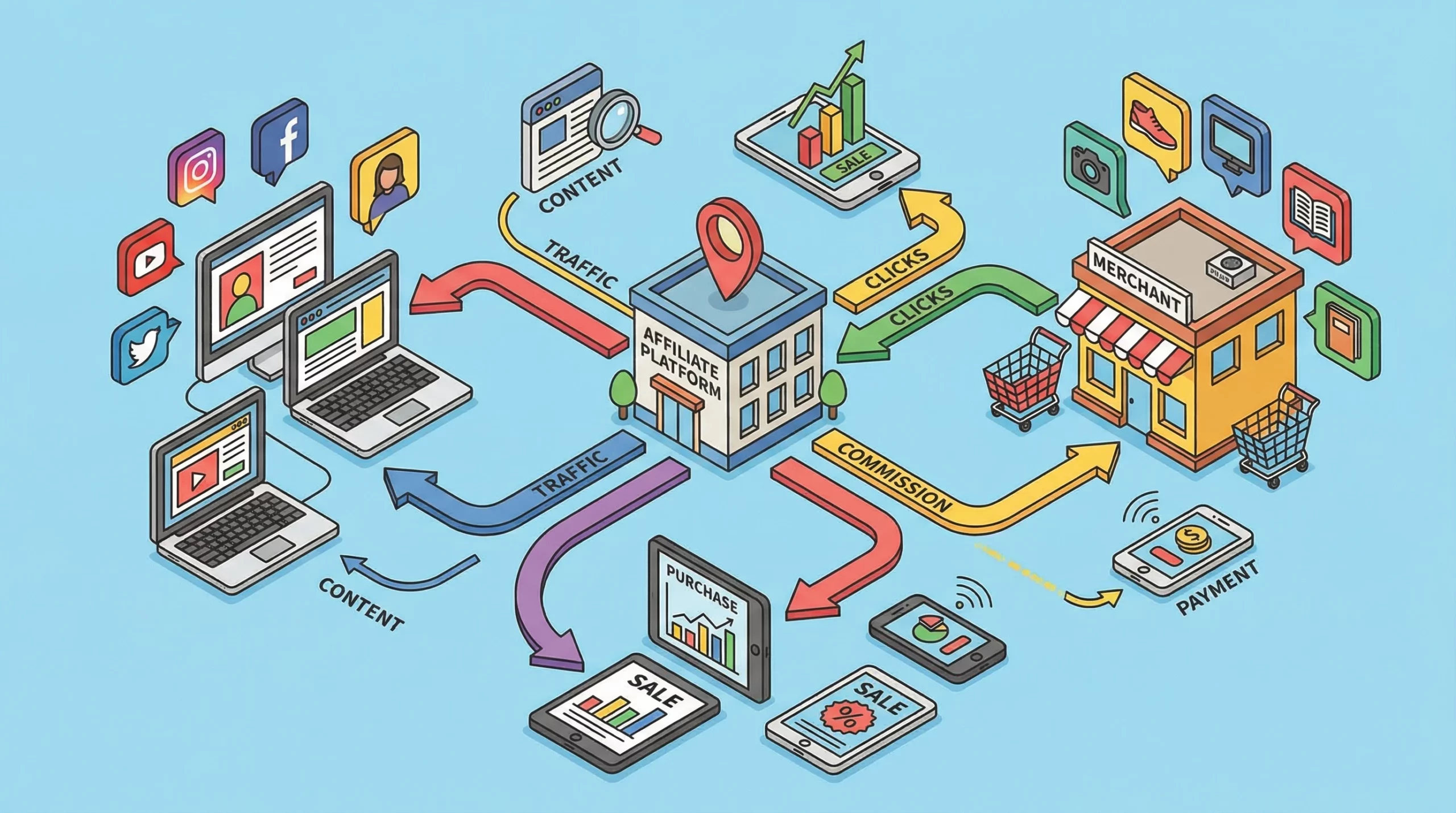
If you’ve spent any time reading about making money online, you’ve probably come across affiliate marketing. It’s a pretty flexible way to earn extra income by sharing products and services you use or enjoy. Since there’s so much info out there, I decided to lay out an all-in-one guide for beginners. Here’s what you need to know about how affiliate marketing works, how to get started with no experience, and tips for turning it into solid, reliable income.
What Is Affiliate Marketing?
Affiliate marketing is a process where you recommend products or services and earn a commission when people buy through your unique link. You don’t need to hold inventory, deal with shipping, or handle customer support. Your main job is to share helpful content and suggest products to your audience. Usually, you promote things through a blog, social media, YouTube, or even email newsletters.
The idea is that you only get paid when someone buys something or takes a specific action, like signing up for a service, using your special tracking link. This makes it a pretty low-risk way to start earning money online, even if you’re totally new.
How Does Affiliate Marketing Work?
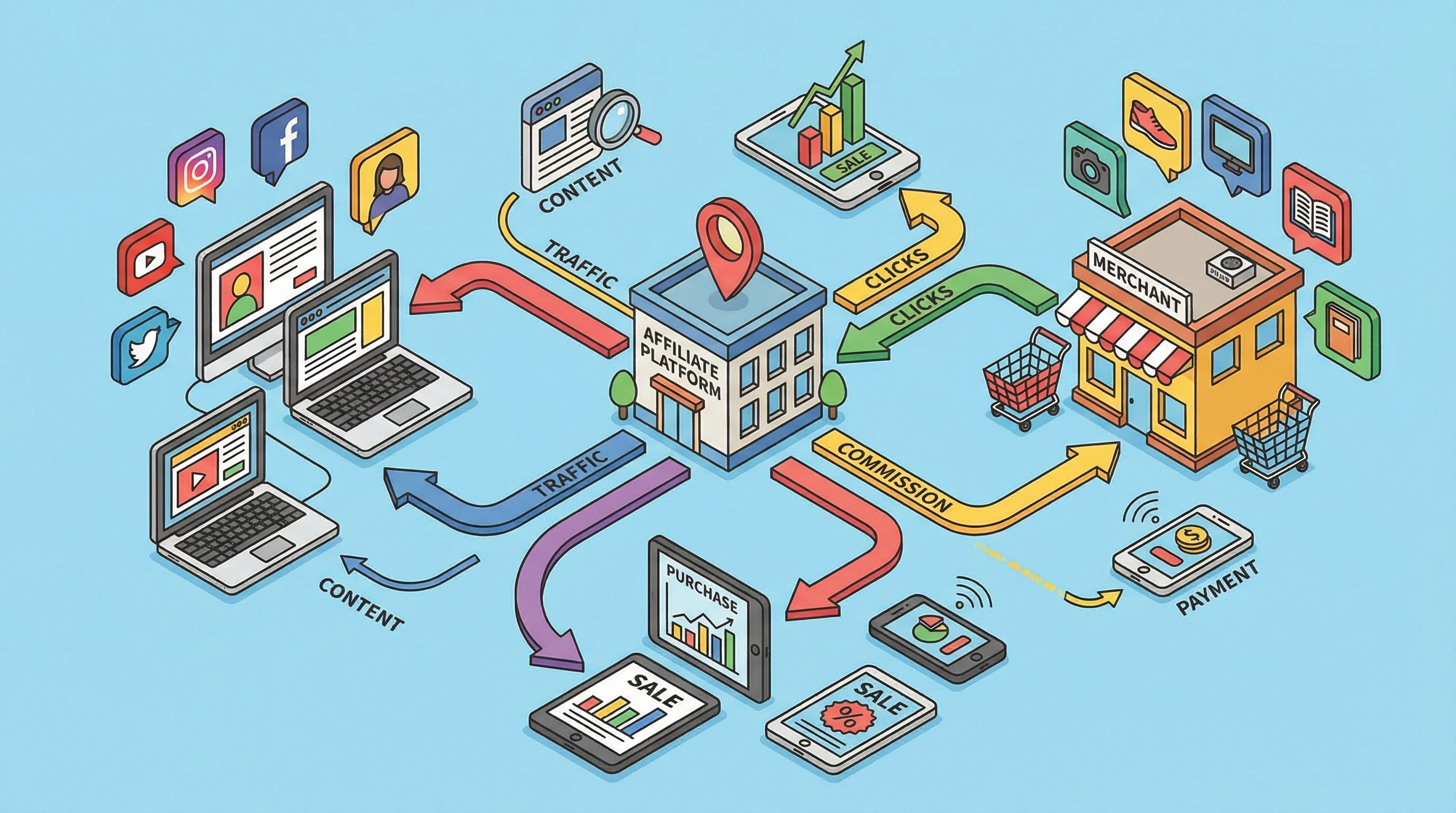
Here’s how the process usually looks, start to finish:
- Sign up for an affiliate program: This could be with a retailer like Amazon, a software company such as Shopify, or a niche site like a travel gear store.
- Get a unique referral link: The company gives you a trackable referral link to use when talking about their products.
- Promote the product: Share your link in blog posts, reviews, YouTube videos, social media, or email newsletters.
- Earn commission: When someone clicks your link and buys, you get paid a percentage of that sale or a fixed fee.
Companies handle payments and track all the clicks. That means your main focus is on quality content and building trust with your audience. Having a strategy in place for tracking your links and understanding how your audience responds can really give you a boost in earnings. For example, using simple analytics tools built into affiliate dashboards can help you spot top-performing products. Over time, you’ll get a feel for what your audience wants most, so you can recommend things that truly fit their needs.
How to Make $10,000 Per Month With Affiliate Marketing?
Reaching $10K a month isn’t something that happens overnight. However, it’s absolutely possible with the right approach. Here’s what I’ve found to be essential for anyone aiming for higher earnings:
- Pick a profitable niche: Choose a niche people spend money in, like tech gear, personal finance, health, or online tools. If you want long-term opportunities, research whether your topic is trending or has staying power using Google Trends and marketplaces.
- Focus on high-ticket and recurring offers: Promoting $20 products can add up, but $500 products or recurring software subscriptions make reaching $10,000 much more achievable. Look for programs with monthly payments or larger commissions to hit your goals faster.
- Build your own website: A blog or niche website is your online home base. It lets you own your content, build authority, and attract free, targeted traffic from Google.
- Create genuinely helpful content: Compare products, provide detailed guides, and answer real questions to earn trust (and clicks on your links). Quality beats quantity. In-depth reviews, tutorials, and case studies can set you apart.
- Use email marketing: Building an email list gives you a direct line to people who already trust you. This boosts your sales and repeat clicks. Offer a free resource (like a short guide or checklist) to encourage signups.
- Drive steady traffic: Use SEO, Pinterest, YouTube, or even paid ads if your budget allows and your numbers make sense. Stick with one or two sources at first, master them, and then add another as you grow.
- Test and scale: Once you know what converts, ramp up your efforts by outsourcing content or building more sites. Keep checking your analytics to see what works and where you can get the most return for your time and money.
It usually takes months or even a year or more to hit this level, but plenty of people have done it by being consistent and always working to help their audience. Don’t get discouraged by slow starts. Steady, real progress beats quick but unsustainable bursts.
Starting Affiliate Marketing with No Experience
I remember feeling pretty overloaded when I first started; there was so much to learn and so many tools. If you’re brand new, here’s a step-by-step path that works even if you’re starting from zero:
- Pick a niche you care about: It’s easier to stick with affiliate marketing if you actually enjoy your topic. You’ll need to create a lot of content, so pick something that’s easy for you to research or talk about.
- Sign up for affiliate programs: Start with easy-to-join ones like Amazon Associates, ShareASale, or CJ Affiliate. Many programs have low requirements to join and let you start promoting even with a new site.
- Set up a simple website: You can start with WordPress. There are free templates and plenty of easy tools out there that let you build a site without knowing any code.
- Write a few reviews or tutorials: Focus on how-to guides, product comparisons, or personal experiences. Honest opinions and first-hand tips help create trust more than salesy copy.
- Share on social media: If you already have some followers, share your posts and see what resonates. Even if you’re starting from scratch, joining niche groups and contributing value can help you get your links seen.
- Learn basic SEO: Getting found on Google is pretty handy. There are tons of free resources that cover keyword research and on-page SEO. Try using free keyword tools to get topic ideas that people are actually searching for.
- Keep testing: Try different topics and styles to see what gets clicks and sales. Don’t be afraid to switch directions if something doesn’t work as well as you hoped. Keep an open mind, and be willing to learn.
Is Affiliate Marketing Hard?
To be honest, affiliate marketing isn’t rocket science, but it’s not a get-rich-quick trick either. The hard parts usually involve patience, consistency, and learning some new skills. The basic steps are pretty simple, but there are a few tricky things that catch lots of people off guard:
- Competition: Popular niches have a lot of established sites with big budgets. It can take extra effort to get your content to stand out at first.
- SEO takes time: New sites can take several months to show up on Google and start getting real traffic. Don’t get discouraged if you don’t appear right away. Use this time to keep building up your site.
- Staying motivated: You might not see many clicks or sales for a few months. It’s easy to get discouraged if you expect fast results. Track your progress (like improved rankings, more visitors, or new subscribers) so you notice the small wins early on.
- Learning curve: You’ll need to pick up some basic web skills, like setting up a site, writing posts, using graphics, and understanding analytics. Lots of free resources and tools are available to make this easier than ever before.
The good news is that these hurdles have clear solutions, and there are lots of tutorials, forums, and courses you can find. As you keep learning, tasks that felt tricky at first will start to feel much easier and more natural.
Which Affiliate Program Is Best for Beginners?
Some affiliate networks are especially welcoming for newcomers. They don’t have strict approval rules, and their interfaces are easy to use. Here are a few I suggest if you’re new to the game:
- Amazon Associates: Probably the most popular affiliate network, with millions of products. The commission rates aren’t super high, but it works for nearly any niche because of its huge selection.
- ShareASale: Huge selection of merchants across everything from home goods to SaaS software. The dashboard is straightforward and joining programs is simple.
- ClickBank: Great for digital products and info courses, which tend to have higher commission rates than physical products.
- Rakuten Advertising (LinkShare): Wide variety of big-name brands and an easy to navigate dashboard. Their customer service is also known to be helpful.
- Wealthy Affiliate: If you’re interested in teaching others how to start affiliate marketing, their referral program is solid and offers recurring commissions as you refer more people.
All of these networks are reputable and make managing your affiliate links, tracking clicks, and seeing your earnings pretty straightforward. As you grow, you’ll stumble upon niche-specific programs that may offer even higher payouts or more targeted products for your audience.
Quick Tips for Early Success
1. Research your audience: Know what your readers are looking for. Check forums, Reddit, and Amazon reviews for common questions and frustrations. Pay attention to the language your niche uses, what’s getting a lot of attention, and what gaps you could fill.
2. Focus on quality over quantity: It’s usually better to have ten helpful, in-depth posts than a hundred short ones that don’t say much. Strong content attracts more links and shares, bringing in traffic for months or years.
3. Build trust: Only promote stuff you’d actually recommend to a friend. If you push low quality products, people won’t stick around, and your reputation could take a hit. Your honest opinion is your strongest selling tool.
4. Keep learning: Affiliate marketing changes as search engines, social media, and tech evolve. Don’t be afraid to experiment and never stop growing your skillset. Stay active in relevant groups or online communities and keep an eye out for news in your industry.
Common Beginner Questions
How long does it take to earn real money?
It varies a lot. If you’re consistent, you might see your first sales in a couple of months. Growing to $1,000 a month can take anywhere from six to twelve months, depending on your niche, content quality, and promotion efforts. Keep building and updating what works as you learn more.
Do I need a big audience?
Nope, not to start. A small but super engaged audience can drive plenty of sales, especially if you’re in a niche with higher-priced products. Focus on engagement and answering questions instead of only chasing bigger numbers.
How do taxes work with affiliate marketing?
You’ll generally receive a tax form if you earn above a certain amount from a company. It’s smart to set aside money for taxes if you’re serious about affiliate income. Every country is different, so check local tax laws just to be sure. Consulting a tax professional can help you avoid surprises at the end of the year.
The Wealthy Affiliate Program: A Solid Choice for Beginners
Wealthy Affiliate is pretty popular among folks just starting out. Here’s why people like it:
- They offer step-by-step training covering the basics of niche selection, building your site, SEO, and content creation, all in a beginnerfriendly way.
- Their website builder is simple to use. You can get a professionallooking site online without needing any tech expertise.
- You get access to a helpful community forum for feedback, troubleshooting, and motivation. Having people to ask for help when you get stuck can keep you moving forward.
- Included tools like Jaaxy (their research platform) and built-in AI writing assistants make research and writing less of a grind. You can quickly check out keywords or brainstorm ideas as you grow.
- Their affiliate program has recurring commissions, so your earning potential grows as you refer more people.
It’s a good mix of tools, support, and real-time help. If you don’t know where to start or want to give your earnings a boost faster, it’s worth checking out. If you want to grow a sustainable online business and have reliable support along the way, Wealthy Affiliate is a solid option to get started with confidence.